
Sauces & Condiments
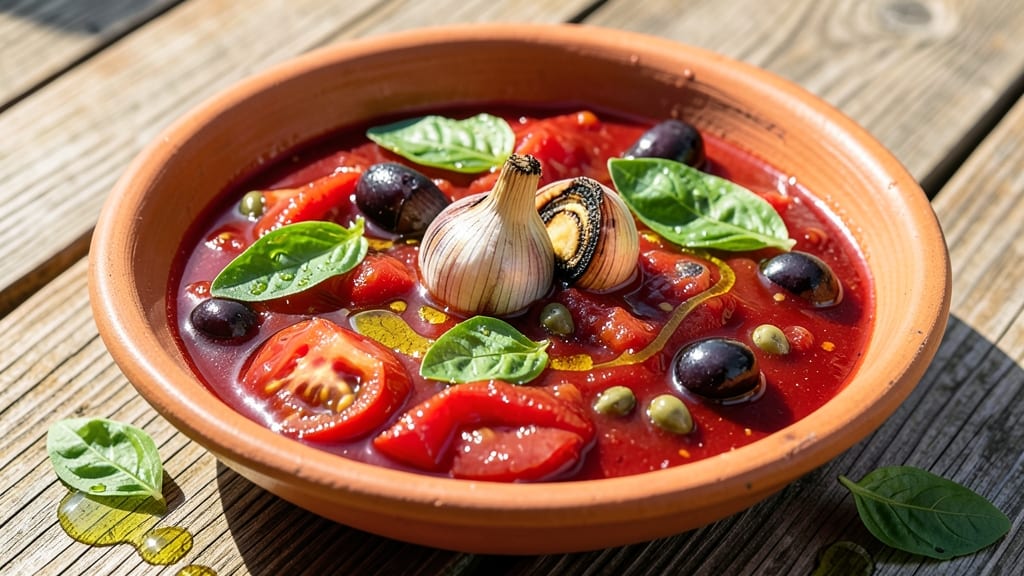
This authentic Italian puttanesca sauce captures the bold, briny essence of Naples in every spoonful—where salty anchovies meet sweet tomatoes and tangy capers. The secret lies in balancing these flavors through slow simmering, creating a sauce that's rich yet bright, with just the right amount of garlic and basil.
I've perfected this version after years of testing, ensuring the anchovies dissolve completely without overpowering the dish.
What makes this sauce truly authentic is the combination of traditional ingredients: canned San Marzano tomatoes, Kalamata olives, and capers, all simmered until their flavors meld into a harmonious, slightly chunky sauce.
The key technique is letting the sauce reduce naturally, which deepens the umami and allows the anchovies to integrate fully. This isn't just a sauce—it's a flavor experience that transforms simple pasta or grilled fish into something extraordinary.
By the time you're done, you'll have a sauce that's equally at home on spaghetti, crusty bread, or as a marinade for seafood—bold, complex, and undeniably Italian.
The aroma alone will transport you to a bustling Naples kitchen, while the taste delivers that perfect balance of salty, sweet, and tangy that defines puttanesca.
Best of all, this sauce keeps beautifully in the refrigerator for up to five days, allowing you to make a big batch and enjoy it throughout the week. Whether you're serving it at a dinner party or simply elevating your weeknight meals, this recipe delivers restaurant-quality results with minimal effort.
Ingredients for authentic italian puttanesca sauce
Nine bold ingredients transform into Naples' most iconic sauce—bright, briny, and unforgettable.
| Ingredient | Amount | Notes |
|---|---|---|
| San Marzano Tomatoes (Canned, Whole) 🍅 | 2 cans | 28 oz each, crushed by hand |
| Anchovy Fillets 🐟 | 4 oz | High-quality, salt-packed preferred |
| Kalamata Olives 🫒 | ½ cup | Pitted, roughly chopped |
| Capers 🍋 | ¼ cup | Nonpareils, rinsed if salt-packed |
| Garlic Cloves 🧄 | 4 cloves | Fresh, thinly sliced |
| Fresh Basil Leaves 🌿 | ½ cup | Packed, roughly torn |
| Extra-Virgin Olive Oil 🫒 | ¼ cup | Fruity, peppery variety |
| Red Wine Vinegar 🍷 | 1 tbsp | Dry, aged preferred |
| Red Pepper Flakes 🌶️ | ½ tsp | Adjust for heat preference |
| Salt 🧂 | 1 tsp | Diamond Crystal preferred |
The tomatoes are non-negotiable—San Marzano delivers that sweet, meaty texture that holds up to the sauce's bold flavors. Grab the 28 oz cans from Whole Foods or Trader Joe's for the best quality. Kalamata olives add that essential briny bite, so look for plump, dark purple ones at the grocery store's olive bar. The anchovies? Salt-packed fillets from Italian specialty stores dissolve beautifully, but even the canned variety works in a pinch. Fresh basil is ideal, but dried oregano at half the amount gets you close if you're in a hurry.
No San Marzano tomatoes? Crushed plum tomatoes in a pinch, but you'll lose some of that authentic sweetness. Short on olives? Green olives at double the amount work, though they're milder. The capers can be substituted with brined artichoke hearts if you're avoiding capers entirely. For the garlic, fresh is non-negotiable—powdered just won't cut it. The olive oil matters too—avoid the cheap stuff; a fruity, peppery extra-virgin makes all the difference. And if you're sensitive to heat, reduce the red pepper flakes or swap for a pinch of cayenne.
This sauce tastes even better the next day as the flavors meld. Store it in an airtight glass jar in the fridge for up to 5 days. If you make a big batch, freeze half in ice cube trays—perfect for portion control later. The olives and capers keep well, so you can prep those ahead of time. Just add them fresh to the sauce when you're ready to use it, or they'll get too soft. Trust me, the extra effort is worth it for that restaurant-quality depth.
Why You'll Love This Recipe
- No Chopping Needed: I swear by this—just crush the garlic, drain the olives, and toss in the capers. The San Marzano tomatoes handle the rest, so smooth and sweet they practically melt into flavor without any prep work.
- Umami Bomb: That first crack of anchovies in the pan? It’s like a secret handshake for your taste buds. The briny olives and capers cut through the richness, but the garlic? Oh, it builds layer upon layer of deep flavor—salty, sweet, and tangy all at once.
- Weeknight to Weekend: Slather it on toast for a quick lunch, toss it with pasta for dinner, or even drizzle it over grilled fish when you’re feeling fancy. It’s my go-to when I’m too tired to plan but still want something that feels special.
- Pantry Goldmine: Between us, this sauce gets better the next day. The flavors marry perfectly, and it stretches my grocery budget—just a few dollars’ worth of ingredients make enough for four meals. Plus, it freezes like a dream for those lazy nights.
Step-by-step instructions for authentic Italian puttanesca sauce
Here's how to craft this classic Neapolitan sauce with perfect balance and bold flavors.
Prepare the Anchovy Base
In a medium saucepan, combine the 4 oz anchovy fillets with the 0.25 cup extra-virgin olive oil over low heat. Let them melt together for 3-4 minutes, stirring constantly until the anchovies dissolve completely into the oil. This creates the flavor foundation—don't rush this step as the anchovies need to fully incorporate.
The anchovies should melt into the oil without any visible bits remaining. If you're using salt-packed anchovies, you might need to add a splash of water to help them dissolve. This process builds the umami backbone that defines puttanesca sauce.
Add Aromatics and Briny Elements
Increase heat to medium and add the 4 cloves sliced garlic, 0.5 cup chopped Kalamata olives, 0.25 cup capers, and 0.5 tsp red pepper flakes. Sauté for 2-3 minutes until the garlic turns golden and fragrant—this prevents it from burning while developing its full flavor. Stir frequently to ensure even cooking.
Here's where the sauce gets its signature briny complexity. The capers and olives should be fully heated through but still maintain their texture. If you notice the garlic starting to brown too quickly, reduce heat slightly to medium-low to protect its delicate flavor.
Incorporate Tomatoes and Acid
Pour in the 1 tbsp red wine vinegar and let it simmer for 1 minute to mellow its sharpness. Add the 2 cans crushed San Marzano tomatoes (about 28 oz total), breaking them up with your hands before adding. Stir well to combine all ingredients thoroughly.
The tomatoes should be fully incorporated after 5 minutes of simmering. This is where the sauce begins to develop its characteristic depth. If you notice the mixture is too thick, add 2-3 tablespoons of water to help it reach the right consistency for coating pasta.
Simmer and Develop Flavor
Reduce heat to low and let the sauce simmer uncovered for 15-20 minutes. This slow cooking allows the flavors to meld together perfectly. Stir occasionally, especially as the sauce reduces. You're looking for a sauce that coats the back of a spoon but still has some body to it.
During this time, the anchovies will fully integrate, the olives and capers will soften slightly, and the tomatoes will break down into a rich, slightly chunky consistency. The sauce should smell intensely of garlic, basil (which we'll add next), and the briny elements.
Finish with Fresh Basil and Season
Remove from heat and stir in the 0.5 cup torn fresh basil leaves and 1 tsp salt. Let the sauce sit for 5 minutes to allow the basil to infuse its bright, aromatic qualities. Taste and adjust seasoning—you might need a touch more salt or red pepper flakes depending on your preference.
The basil should be just visible in the sauce, adding freshness that balances the briny, umami flavors. This is the moment that transforms a good sauce into an authentic one. Serve immediately over spaghetti or linguine, reserving some sauce to toss with the cooked pasta for maximum flavor distribution.
Pro Tips For Making Authentic Italian Puttanesca Sauce
- CRUSH THOSE OLIVES: Kalamata olives need a good smash with a knife or the flat side of a spoon before hitting the pan—this releases their briny oil and texture. I used to just toss them in whole, and the sauce felt flat until I learned this. Do it before adding garlic so the flavor melds properly.
- SWEAT GARLIC LOW: Cook the garlic on low heat until it’s just golden, not browned—burnt garlic turns bitter and overpowers the sauce. I learned this after one disastrous batch where I rushed it. If your pan’s too hot, pull it back and let it work slowly.
- SALT THE TOMATOES FIRST: Before crushing the San Marzano tomatoes, sprinkle them with a pinch of salt and let them sit for 10 minutes. This draws out excess water, giving you a thicker, more concentrated sauce. Skipping this step means a watery finish—trust me, it’s worth the wait.
- TOAST THE ANCHOVIES: Dry the anchovy fillets on a paper towel, then sear them in the oil for 30 seconds until they crisp slightly. This deepens their umami punch without making the sauce taste fishy. I was skeptical until I tried it—now it’s non-negotiable.
Creative variations of authentic italian puttanesca sauce
Neapolitan-Inspired Twist
For a true taste of Naples, add 1 tbsp tomato paste to the anchovy-oil base before cooking the aromatics. This creates a deeper, more concentrated flavor that mimics the way Neapolitan cooks build their sauces.
I also like adding 1 dried anchovy (soaked in warm water for 5 minutes) to the simmering sauce for an extra layer of complexity. 🍅
Vegan Adaptation
Swap the anchovies for 2 tbsp white miso paste mixed with 1 tbsp nutritional yeast to replicate umami depth. Use vegan olive oil and ensure all other ingredients are plant-based.
The sauce will still have that briny character, just without the fishy notes. Taste as you go—you may need an extra pinch of salt to balance the flavor.
Spicy Calabrian Fusion
Add 1 tbsp Calabrian chili paste when incorporating the tomatoes for a fiery kick. This Southern Italian variation brings heat while maintaining the sauce's signature brightness. I also include 2 tbsp chopped sun-dried tomatoes for extra depth. Serve with crusty bread or grilled seafood for a bold flavor experience. 🌶️
Herb-Forward Variation
Boost the freshness by adding 1 tbsp chopped oregano and 1 tsp fennel seeds (lightly toasted) to the simmering sauce. The anise notes from fennel complement the basil beautifully. This version works wonderfully as a marinade for grilled shrimp or as a dipping sauce for mozzarella sticks.
Winter Root Addition
For a heartier sauce, stir in ½ cup diced roasted fennel and ½ cup caramelized onions when adding the tomatoes. The sweetness of the fennel and onions balances the briny elements perfectly. This variation is especially comforting during colder months and pairs beautifully with baked pasta dishes.
Quick Weeknight Hack
When short on time, use 1 cup pre-chopped jarred roasted garlic instead of fresh cloves. Also, substitute ½ cup jarred artichoke hearts for the capers and olives. This version still delivers bold flavor with minimal prep—just simmer for 10 minutes instead of 20. Perfect for busy weeknights! ⏰
Nutrition facts
Frequently asked questions
Can I make puttanesca sauce without anchovies?
Yes! For a vegan version, replace the anchovies with 2 tbsp white miso paste plus 1 tbsp nutritional yeast to maintain umami depth. The sauce will still have briny character but with a plant-based profile. Taste as you simmer and adjust with extra salt or red pepper flakes as needed.
How do I store leftover puttanesca sauce?
Transfer to an airtight glass jar and refrigerate for up to 5 days. For longer storage, freeze in ice cube trays—perfect for portion control later. The flavors actually improve overnight as ingredients meld together. Always reheat gently to preserve texture.
What's the best pasta to pair with this sauce?
Use spaghetti or linguine for classic results, but bucatini or fettuccine work beautifully too. For extra texture, try rigatoni to capture the chunky olives and capers. Save some sauce to toss with cooked pasta—this creates the most flavorful coating.
Why does my puttanesca taste too salty?
Anchovies and capers contain significant salt, so taste as you go! If needed, balance with 1 tbsp tomato paste or 1 tbsp red wine vinegar to dilute the saltiness. Also check if you used salt-packed anchovies—rinse them briefly if using store-bought varieties. The sauce should be bold but not overwhelming.
Can I use this sauce on other dishes besides pasta?
It's perfect for grilled fish or shrimp as a marinade, or as a dipping sauce for crusty bread. Try it on polenta or even as a topping for grilled vegetables. The briny, tangy flavors work beautifully with hearty ingredients that can stand up to its bold character.