
Sauces & Condiments
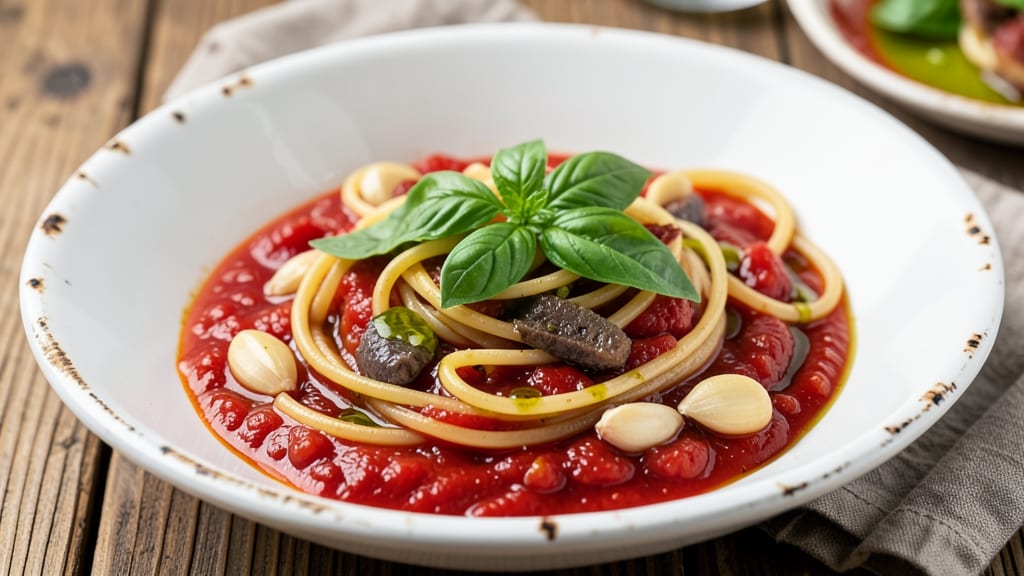
This authentic Italian spaghetti sauce recipe transforms simple fresh tomatoes into a deeply flavorful, slow-simmered masterpiece that captures the essence of Nonna’s kitchen. The secret lies in patience—letting garlic, olive oil, and herbs meld into a rich, aromatic base before adding tomatoes.
What starts as a humble sauce evolves into something complex, with layers of umami and acidity that cling to every strand of spaghetti.
Unlike quick sauces that rely on shortcuts, this recipe builds flavor through slow simmering, allowing the tomatoes to break down naturally and develop depth. A splash of red wine and a pinch of anchovies (optional but traditional) add complexity, while fresh basil and Parmesan elevate it to restaurant-quality.
The result? A sauce so vibrant and balanced it turns even the simplest pasta into a memorable meal.
Perfect for meal prep, this sauce tastes even better the next day as the flavors continue to meld. Store it in the fridge for up to 5 days or freeze for months, making it ideal for busy weeks.
Whether tossed with al dente spaghetti or used as a topping for bruschetta, this sauce delivers the soul of Italy in every spoonful.
For those who love customization, adjust the heat with chili flakes or sweetness with a touch of sugar. The beauty of this recipe is its adaptability—it’s as versatile as it is authentic. Let’s create a sauce that tastes like home.
Ingredients for authentic italian spaghetti sauce recipe with fresh tomatoes
Simple ingredients, slow simmering, and patience transform fresh tomatoes into Nonna’s legendary spaghetti sauce.
| Ingredient | Amount | Notes |
|---|---|---|
| Extra-Virgin Olive Oil 🫒 | ½ cup | High-quality, fruity variety |
| Garlic Cloves 🧄 | 6 cloves | Peeled and lightly crushed |
| Fresh Tomatoes 🍅 | 2 ½ lb | Ripe, vine-ripened preferred |
| Red Wine 🍷 | ½ cup | Bold, dry variety like Chianti |
| Anchovy Fillets 🐟 | 2 tbsp | Optional but traditional |
| Fresh Basil Leaves 🌿 | ½ cup | Packed, stems removed |
| Dried Oregano 🍃 | 1 tsp | Italian or Mediterranean blend |
| Salt 🧂 | 1 ½ tsp | Diamond Crystal preferred |
| Black Pepper 🌶️ | ½ tsp | Freshly ground preferred |
| Red Pepper Flakes 🔥 | ¼ tsp | Adjust for heat preference |
The tomatoes are the heart of this sauce, so choose vine-ripened if possible—they have more natural sweetness and depth. Whole Foods or local farmers markets often carry the best varieties, but any ripe grocery store tomatoes will work in a pinch. For the olive oil, avoid the cheap stuff—look for extra-virgin with fruity notes. The garlic should be fresh, not dried or powdered, and lightly crushing the cloves releases more flavor. If you're feeling ambitious, roast the tomatoes first for an even deeper caramelized taste—just char them under a broiler for 5 minutes before processing.
No red wine? Substitute with tomato paste plus a splash of balsamic vinegar—it mimics the acidity and depth. Anchovies are traditional but optional—if you skip them, add an extra pinch of salt. The dried oregano is non-negotiable for that authentic Italian flavor, but if you're out, dried basil at half the amount works in a bind. For the basil, fresh is ideal, but if you must use dried, reduce to one-quarter the amount. The red pepper flakes can be omitted entirely if you prefer no heat, but don't skip the black pepper—it rounds out the flavors beautifully. Pro tip: Toast the oregano and red pepper flakes in the olive oil for 30 seconds before adding other ingredients—this blooms their flavors instantly.
This sauce only gets better with time, so make a double batch if you can. Store it in airtight containers in the fridge for up to 5 days, or freeze for up to 3 months. For freezing, portion into ice cube trays first—perfect for adding to pasta later. The sauce thickens as it cools, so add a splash of water or pasta water when reheating if needed. When ready to use, stir in fresh basil and a sprinkle of Parmesan for that restaurant-quality finish. The sauce pairs beautifully with al dente spaghetti, but don't be afraid to use it as a bruschetta topping or even a pizza sauce—its versatility is what makes it special.
Why You'll Love This Recipe
- This sauce works for everything: toss it with spaghetti for a quick dinner, spread it on toast for brunch, or use it as a marinade for grilled chicken. I’ve even frozen jars of it for lazy Sundays—just reheat and serve. It’s my go-to for when I don’t want to think too hard.
- No-Chop Necessary: That fresh tomato sauce starts with just a knife and cutting board for the garlic—no dicing, no peeling, no fuss. I toss in whole garlic cloves (yes, skin on) and let them soften in the olive oil while I chop tomatoes roughly—no need for precision. Honestly, the sauce tastes even better when it’s a little rustic.
- Umami Bomb: Between us, anchovies and red wine might sound bold, but they’re the secret. That first splash of wine reduces into a deep, savory base, and the anchovies dissolve into pure flavor—no fishy aftertaste, just rich, layered depth. The olive oil ties it all together like a warm embrace.
- Weeknight to Weekend: This sauce works for everything: toss it with spaghetti for a quick dinner, spread it on toast for brunch, or use it as a marinade for grilled chicken. I’ve even frozen jars of it for lazy Sundays—just reheat and serve. It’s my go-to for when I don’t want to think too hard.
Step-by-step instructions for authentic Italian spaghetti sauce with fresh tomatoes
Here's how to build a rich, layered sauce that captures the essence of Italian home cooking.
Sauté Garlic in Olive Oil Until Golden
Heat the 0.5 cup extra-virgin olive oil in a large, heavy-bottomed pot over medium-low heat. Add the 6 cloves peeled and lightly crushed garlic cloves and cook for 3-4 minutes until they turn a delicate golden color—not brown, just fragrant. This gentle cooking prevents bitterness and develops the garlic's sweetness.
Watch closely as the garlic transforms. You'll see it go from pale to a soft golden hue, releasing its aroma into the oil. If the garlic starts to sizzle too aggressively, reduce the heat immediately. This foundational step creates the flavor base for your entire sauce, so don't rush it.
Add Anchovies and Deglaze with Wine
Remove the pot from heat and stir in the 2 tbsp anchovy fillets, allowing them to dissolve completely into the oil. Return the pot to medium heat and carefully pour in the 0.5 cup red wine, scraping up any browned bits from the bottom of the pot with a wooden spoon. This deglazing step captures all the concentrated flavors that would otherwise stick to your pan.
Let the wine simmer for 2-3 minutes until it reduces by about half. You'll notice the alcohol evaporates, leaving behind deeper, more complex flavors. This reduction process is crucial for building the sauce's umami depth. If you're sensitive to anchovies, you can omit them, but they're traditional for this reason—they add a subtle, savory backbone that balances the acidity of the tomatoes.
Incorporate Tomatoes and Seasonings
Add the 2.5 lb fresh tomatoes, cut into large chunks (no need to peel or seed them). Stir in the 1 tsp dried oregano, 1.5 tsp salt, 0.5 tsp black pepper, and 0.25 tsp red pepper flakes. Bring the mixture to a gentle boil, then immediately reduce the heat to low and let it simmer uncovered for 45-60 minutes. This slow cooking allows the tomatoes to break down and develop a thick, velvety consistency.
During this time, stir occasionally to prevent sticking. The sauce should reduce significantly, becoming richer and more concentrated. You're looking for a texture that coats the back of a spoon—this is the hallmark of a properly simmered Italian tomato sauce. If the sauce looks too thin after 45 minutes, you can continue simmering for another 15 minutes or so, but don't rush it. Patience here makes all the difference.
Finish with Fresh Basil and Adjust Seasoning
About 10 minutes before the sauce is fully reduced, stir in the 0.5 cup fresh basil leaves. This is the moment that matters: adding basil at the end preserves its bright, fresh flavor rather than letting it cook down into the sauce. Taste the sauce and adjust the seasoning if needed—you might need a little more salt or black pepper to balance the acidity of the tomatoes.
The sauce should be thick enough to coat the back of a spoon but still have a slightly loose consistency. If it's too thick, you can thin it with a splash of pasta water or a little more red wine. The final sauce should have a deep, rich color with visible tomato pieces and a complex flavor profile that balances sweet, acidic, and umami notes. This is the sauce that rivals Nonna's—simple in ingredients but deeply flavorful in execution.
Simmer Until Perfectly Balanced
Continue simmering the sauce for another 15-30 minutes, stirring occasionally, until it reaches your desired consistency. The exact time depends on the ripeness of your tomatoes and how thick you like your sauce. For a classic Italian spaghetti sauce, you want it to be thick enough to cling to the pasta but still have a slightly loose texture.
Once the sauce is perfectly balanced, remove it from heat and let it rest for 10 minutes before serving. This resting period allows the flavors to meld even further and the sauce to thicken slightly. Serve immediately over al dente spaghetti, reserving some of the pasta water to thin the sauce if needed. The result should be a sauce that's rich, vibrant, and bursting with authentic Italian flavor—every bite should deliver layers of tomato sweetness, garlic depth, and herby freshness.
Pro Tips For Making Authentic Italian Spaghetti Sauce Recipe With Fresh Tomatoes
- CRUSH THE GARLIC: Cook the minced garlic in olive oil over medium-low heat until it’s golden, not brown—this takes about 3-4 minutes, not 30 seconds. I learned this the hard way: burned garlic tastes bitter and ruins the whole sauce. If your kitchen gets hot, take the pan off the heat for a minute and let it cool slightly between stirrings.
- SALT THE TOMATOES: Toss your chopped fresh tomatoes with a generous pinch of salt (about ½ tsp per pound) and let them sit for 10 minutes before cooking. This draws out excess water and concentrates their flavor—no more watery sauce. (Yes, even if you’re impatient like me, resist the urge to skip this.)
- DEGLAZE WITH PATIENCE: After the wine evaporates, don’t rush the deglaze—let the pan sit off the heat for 30 seconds so the anchovies and garlic have time to melt fully into the fond. Then add a splash of water or broth and scrape every bit off the bottom. This isn’t the prettiest method, but it’s the tastiest.
- USE THE ANCHOVIES RIGHT: Crush the anchovy fillets with the back of your knife (or your fingers, if you’re brave) before adding them to the oil—this dissolves them faster and distributes their umami deeper into the sauce. No need to fish them out later; they’ll disappear completely, but the flavor will stay. (Your future self will thank you.)
Common mistakes when making perfect results
Rushing the Simmer
One of the biggest mistakes is cranking the heat too high to speed up the process. Italian tomato sauce needs time to develop depth—rushing it creates a thin, watery sauce that lacks the rich, concentrated flavor.
Always maintain a gentle simmer at low heat to allow the tomatoes to break down naturally. If your sauce isn't reducing quickly enough, lower the heat further rather than increasing it. 🔥
Skipping the Deglaze
Many home cooks forget to deglaze the pot after cooking the garlic and anchovies. This step captures all the flavorful browned bits (fond) that stick to the bottom, which are packed with umami.
After adding the wine, use a wooden spoon to scrape up every bit from the bottom of the pot. This simple step adds layers of complexity that would otherwise be lost. 🍷
Overcooking the Garlic
Burnt garlic ruins the entire sauce. The moment it turns golden (about 3-4 minutes at medium-low heat), remove it from the heat immediately. Overcooked garlic becomes bitter and dominates the sauce with an unpleasant flavor.
Keep a close eye on it—once it starts to sizzle or brown, it's already too late. 🧄
Using Low-Quality Tomatoes
Not all tomatoes are created equal. Vine-ripened, flavorful tomatoes (like San Marzano or heirloom varieties) are essential for authentic Italian sauce. Store-bought tomatoes often lack the natural sweetness and depth needed.
If you're using grocery store tomatoes, choose the ripest ones available and consider roasting them first to intensify their flavor. 🍅
Adding Basil Too Early
Fresh basil is delicate and loses its bright flavor when cooked too long. Adding it at the very end (just 10 minutes before serving) preserves its fresh, aromatic qualities.
If you add it too soon, the basil will turn bitter and blend into the sauce rather than providing that signature pop of freshness. 🌿
Ignoring the Resting Time
Letting the sauce rest for 10 minutes after cooking allows the flavors to meld and the texture to thicken naturally. Skipping this step means serving a sauce that's still "active" and may taste uneven.
This resting period is especially important if you're making the sauce ahead of time—it ensures every bite is perfectly balanced. ⏳
Nutrition facts
Frequently asked questions
Can I substitute canned tomatoes for fresh in this recipe?
While fresh tomatoes create the most authentic flavor, you can use canned San Marzano tomatoes in a pinch. Drain them well and crush by hand to mimic fresh texture. For extra depth, add 1 tbsp tomato paste to compensate for the sauce's reduced acidity. Avoid regular canned tomatoes—they often contain added salt and preservatives that alter the balance.
How do I adjust the sauce if I want it spicier?
Start with the 0.25 tsp red pepper flakes called for, then taste as the sauce simmers. For more heat, add 1/4 tsp at a time until you reach your preferred level. Alternatively, stir in 1/2 tsp crushed chili flakes or a pinch of cayenne pepper. Remember, flavors intensify as the sauce cooks, so go gently at first.
What's the best way to store leftovers?
Let the sauce cool completely, then transfer to airtight containers. It keeps in the fridge for 5 days—the flavors actually improve! For longer storage, freeze in 1-cup portions (use ice cube trays for single servings). Thaw overnight in the fridge, then reheat gently on low heat with a splash of water to restore texture.
Can I make this sauce in a slow cooker?
Follow the same steps until adding tomatoes, then transfer everything to a slow cooker. Cook on low for 6-8 hours or high for 3-4 hours, stirring occasionally. The low-and-slow method enhances the sauce's depth, though you may need to add 1-2 tbsp water if it gets too thick. Add fresh basil at the end as usual.
Why does my sauce turn out too acidic?
This usually happens when using overly ripe or underripe tomatoes. Balance the acidity by adding a pinch of sugar (1/4 tsp) or a splash of red wine (another 1 tbsp) to mellow the tang. For future batches, choose tomatoes with a balance of sweetness and acidity, or add 1/2 tsp baking soda (just enough to neutralize, not overdo it).