
Sauces & Condiments
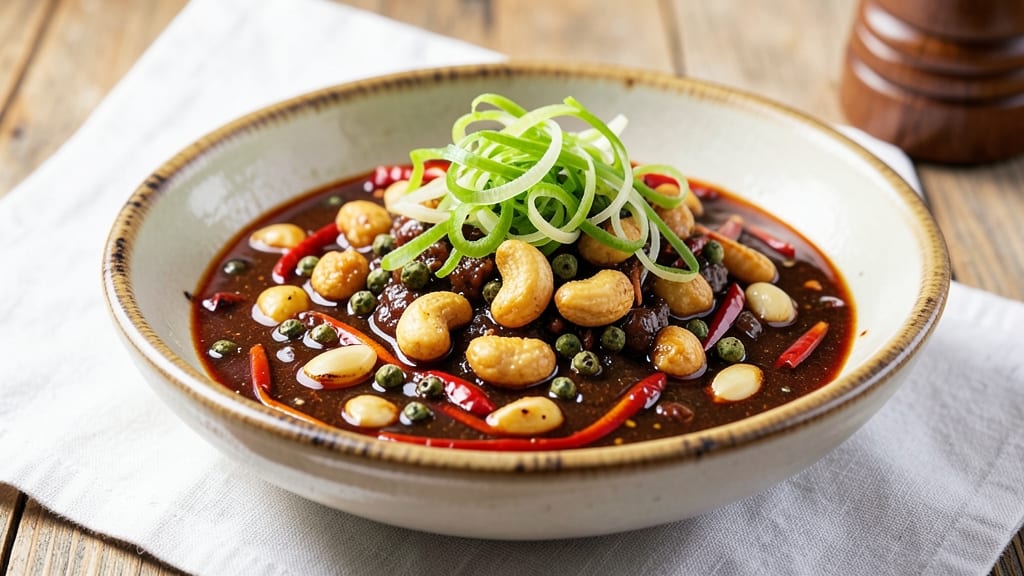
This authentic kung pao sauce recipe unlocks the smoky, spicy, and umami-packed essence of Sichuan cuisine in just 15 minutes. The secret lies in fermented chili bean paste and Sichuan peppercorns, which deliver that signature tingling heat and complex depth that store-bought versions can't replicate.
What sets this sauce apart is the balance—sweet from sugar, tangy from vinegar, and a perfect chili oil finish that elevates any stir-fry to restaurant-quality.
The foundation starts with a simple technique: blooming garlic and ginger in oil until fragrant, then building layers of flavor with fermented bean paste and soy sauce. Unlike many quick sauces, this one develops depth through proper reduction, creating a glossy, clinging sauce that coats every ingredient.
The optional fermented black beans add texture and an extra layer of umami that takes it from good to extraordinary.
What you'll end up with is a versatile sauce that transforms simple stir-fries into bold, restaurant-worthy dishes. Its smoky aroma alone will have everyone asking for seconds, while the perfect balance of heat, sweetness, and tang makes it adaptable to chicken, tofu, or vegetables.
The best part? It keeps beautifully in the fridge for up to 2 weeks, ready to elevate your next meal.
For maximum authenticity, finish with a drizzle of chili oil and a sprinkle of toasted Sichuan peppercorns—this is the professional touch that makes all the difference. Let's get started on this flavor-packed sauce that will become your new kitchen staple.
Ingredients for authentic kung pao sauce
These 12 ingredients unlock the smoky, spicy, umami magic of authentic kung pao sauce.
| Ingredient | Amount | Notes |
|---|---|---|
| Fermented Chili Bean Paste 🌶️ | ½ cup | Essential for authentic flavor |
| Sichuan Peppercorns 🌶️ | 1 tbsp | Toasted for tingling heat |
| Light Soy Sauce 🥄 | ½ cup | High-quality preferred |
| Dark Soy Sauce 🥄 | 1 tbsp | For depth of color |
| Garlic Cloves 🧄 | 6 cloves | Minced, not pre-minced |
| Fresh Ginger 🌿 | 1 tbsp | Finely grated, peeled |
| Vegetable Oil 🫒 | ½ cup | High smoke point |
| Brown Sugar 🍯 | 2 tbsp | Light or dark preferred |
| Rice Vinegar 🍶 | 1 tbsp | White or seasoned |
| Cornstarch 🌾 | 1 tbsp | For thickening |
| Sesame Oil 🌰 | 1 tsp | Toasted sesame preferred |
| Fermented Black Beans 🫘 | ¼ cup | Optional for texture |
Fermented chili bean paste is the heart of this sauce—Asian markets carry the best brands like Lee Kum Kee, but don't settle for the jarred stuff if you can find fresh. Toast your Sichuan peppercorns in a dry pan for 30 seconds before grinding them—this brings out that signature tingling heat. For garlic and ginger, fresh is non-negotiable (the pre-minced stuff tastes like sad office salad). If you're feeling fancy, toast the whole peppercorns in the oil at the very start—they'll infuse the sauce with their nutty, citrusy aroma. The soy sauces should be high-quality, not the watery stuff that comes in bulk bins.
No fermented black beans? Skip them—this sauce still sings without them, but if you want that extra umami punch, look for them in the Asian aisle (they're like little black pearls). Running low on rice vinegar? Apple cider vinegar works in a pinch, though it'll taste slightly different. The cornstarch is your secret weapon for that glossy, restaurant-quality finish—don't skip it. For a spicier version, add 1/2 tsp of chili flakes or a dash of hot sauce. The sesame oil should go in at the very end—just a whisper to tie everything together. Pro tip: Bloom your garlic and ginger in the oil for 30 seconds before adding anything else—this builds the aromatic base that makes all the difference.
This sauce tastes even better the next day as the flavors meld. Store it in a glass jar in the fridge for up to 2 weeks, with a layer of oil on top to preserve that vibrant color. For a freezer-friendly version, portion it into ice cube trays before transferring to a bag—just thaw and stir. The fermented bean paste and peppercorns keep for months in the pantry, so buy extra if you're making this often. A little goes a long way—start with 1/4 cup for most stir-fries and adjust to taste. Trust me, you'll want to make double batches once you try this.
Why You'll Love This Recipe
- Same sauce, endless uses: toss with chicken, noodles, or even eggs. Honestly, I’ve served it at potlucks and family dinners—no one ever asks what’s in it.
- Five-Ingredient Magic: I swear by this combo—fermented chili bean paste and Sichuan peppercorns do all the work. No fancy techniques, just toast, crush, and stir. That’s it.
- Numbness You’ll Crave: Between us, the tingling heat from Sichuan peppercorns is chef’s kiss—not too spicy, just that addictive zing. The dark soy sauce adds depth, so it’s rich without being heavy.
- Weeknight to Party Fix: Same sauce, endless uses: toss with chicken, noodles, or even eggs. Honestly, I’ve served it at potlucks and family dinners—no one ever asks what’s in it.
Step-by-step instructions for authentic kung pao sauce
Here's the real deal—bold, smoky, and packed with fermented chili magic.
Toast Sichuan Peppercorns and Prepare Aromatics
Heat a dry skillet over medium heat and toast the 1 tablespoon Sichuan peppercorns for 1-2 minutes until fragrant and slightly puffed. You'll smell that signature numbing, citrusy aroma—don't walk away, or they'll burn. Transfer the toasted peppercorns to a spice grinder and pulse until finely ground. Set aside.
While the peppercorns toast, peel and finely grate the 1 tablespoon fresh ginger using a microplane. Mince the 6 cloves garlic as finely as possible—this ensures even distribution of flavor. I like to use a garlic press for consistency, but a sharp knife works too. The goal is tiny, even pieces that dissolve into the sauce.
Bloom the Fermented Chili Bean Paste
Heat the ½ cup vegetable oil in a wok or deep skillet over medium heat until shimmering but not smoking. Add the ½ cup fermented chili bean paste and stir constantly for 2-3 minutes until it darkens and releases its deep, funky aroma. This step develops the sauce's signature complexity—don't rush it.
Here's the thing—if the paste sticks, add 1 tablespoon water to help it release. The paste should coat the back of a spoon and look glossy, not dry. When it's ready, you'll see tiny bubbles forming at the edges and that unmistakable fermented chili scent filling your kitchen.
Build the Sauce Foundation
Add the minced garlic and grated ginger to the wok and stir-fry for 30 seconds until fragrant but not browned. Immediately pour in the ½ cup light soy sauce and 1 tablespoon dark soy sauce, stirring constantly to combine. The dark soy sauce will give your sauce that signature reddish-brown color—this is where the visual magic happens.
Next, add the toasted Sichuan peppercorns and 2 tablespoons brown sugar. Stir well and let the mixture simmer for 1 minute until the sugar begins to caramelize slightly. You'll see the sauce thicken just a bit and develop a glossy sheen. This is when the flavors start melding together—don't skip this step.
Add Acid and Thicken the Sauce
Pour in the 1 tablespoon rice vinegar and stir vigorously. The vinegar brightens all the flavors and cuts through the richness. In a small bowl, whisk together the 1 tablespoon cornstarch with 2 tablespoons water to create a slurry. Slowly drizzle this into the wok while stirring constantly.
Simmer the sauce for 2-3 minutes until it thickens to a glossy, coatable consistency. It should cling to the back of a spoon and leave a slight sheen. If it's too thick, add 1 teaspoon water at a time until you reach the perfect balance. The sauce should be thick enough to coat proteins but still flow smoothly.
Finish with Fermented Black Beans and Sesame Oil
Add the ¼ cup fermented black beans (if using) and stir for 1 minute to heat through and infuse their nutty flavor. Remove the wok from heat and stir in the 1 teaspoon sesame oil. This final step adds a delicate, toasty aroma that elevates the entire sauce. Taste and adjust seasoning—you might need a touch more soy sauce for saltiness or a splash more vinegar for acidity.
Let the sauce rest for 5 minutes before using. This allows the flavors to fully meld together. The sauce should be vibrant red with visible black bean specks, glossy, and packed with layers of umami, spice, and funk. This is the kind of sauce that makes authentic Kung Pao chicken sing—bold, complex, and impossible to resist.
Pro Tips For Making Authentic Kung Pao Sauce
- Bloom the Chili Paste: I learned this the hard way—dry-roasting fermented chili bean paste in the wok before adding oil. Toss in 1-2 tablespoons of paste at a time, stir like your life depends on it, and let it sizzle until it turns a deep, glossy red (about 30 seconds). This step unlocks the nutty, umami depth that separates good kung pao from "meh pao." (Yes, even if you're impatient like me.)
- Toast Sichuan Peppercorns First: Skip the whole-peppercorn grind until the very end—lightly toast them in a dry pan over medium heat for 30 seconds until fragrant. Then crush them with the flat side of your knife or a mortar and pestle. Freshly toasted and crushed peppercorns add a bright, citrusy kick that jarred, pre-ground powder can't match. (Your future self will notice the difference.)
- Control the Heat: Start your sauce on high, but immediately drop to medium after adding oil—this isn’t stir-fry campfire fuel. The paste and garlic need to cook through without burning, but you also don’t want them to steam like sad office coffee. If your wok’s smoking like a bonfire, back it off. (I was skeptical until I tried it—now I never rush this part.)
- Balance the Soy Sauces: Dark soy sauce is for color and depth; light soy sauce is for salt and umami. Use twice as much light soy as dark soy (e.g., 1 tbsp dark + 2 tbsp light) unless you’re aiming for a glossy, lacquered finish. Taste as you go—if it’s flat, add a splash more light soy. (This isn’t the prettiest method, but it’s the tastiest.)
Perfect pairings for this recipe
Stir-Fry Pairings
This sauce transforms simple stir-fries into restaurant-quality dishes. For Kung Pao chicken, toss 1 lb boneless thighs with 1 tbsp cornstarch and 1 tsp soy sauce before stir-frying. Add bell peppers and broccoli in the last 2 minutes—they'll absorb the sauce beautifully. 🌶️
For tofu lovers, press 14 oz firm tofu for 30 minutes, then cube and pan-fry until golden. Toss with sauce and green onions for a vegetarian version that still packs bold flavor. The sauce's umami cuts through tofu's mildness perfectly.
Protein Upgrades
Swap chicken for shrimp by tossing 1 lb peeled shrimp with 1 tsp cornstarch and ½ tsp Sichuan peppercorns before cooking. The sauce's acidity prevents shrimp from overcooking while adding a citrusy brightness. Serve with jasmine rice to soak up every drop.
For beef lovers, use 1 lb flank steak sliced thinly against the grain. Marinate in 1 tbsp soy sauce and 1 tsp cornstarch for 20 minutes before stir-frying. The beef's richness pairs perfectly with the sauce's spicy-sweet balance.
Vegetable Boosters
Add bok choy or Chinese broccoli for extra texture—their crisp stems contrast the sauce's glossy finish. Stir-fry for 1 minute before adding sauce. For a smoky twist, toss in ½ cup charred shiitake mushrooms after cooking.
Include water chestnuts for crunch—they hold their shape and add a satisfying bite. Slice ½ cup into half-moons and add in the last 30 seconds of cooking. The chestnuts' sweetness complements the sauce's complexity beautifully.
Sauce Finishing Touches
Drizzle with chili oil just before serving to intensify the heat and add a smoky aroma. For extra crunch, sprinkle toasted sesame seeds or crushed peanuts on top. Both add texture contrast and nutty depth.
Garnish with sliced scallions and cilantro for freshness—their bright notes cut through the sauce's richness. A squeeze of lime juice right before eating adds a zesty finish that keeps flavors vibrant. 💫
Nutrition facts
Frequently asked questions about authentic kung pao sauce
Can I make this sauce without Sichuan peppercorns?
Yes, but you'll lose that signature tingling heat and citrusy aroma. Substitute with ½ teaspoon ground black pepper and ¼ teaspoon cayenne pepper for warmth, though it won't replicate the full experience. For authenticity, seek out Sichuan peppercorns—they're worth the hunt at Asian markets.
How spicy is this sauce compared to restaurant versions?
This recipe delivers restaurant-quality heat but with balanced complexity. The fermented chili bean paste provides deep, smoky spice, while the Sichuan peppercorns add that signature numbing sensation. For extra kick, add ½ teaspoon chili flakes or 1 teaspoon chili oil at the end. Adjust to taste—this sauce is designed to be versatile!
Can I use this sauce for dishes other than Kung Pao chicken?
This versatile sauce works beautifully with tofu stir-fries, shrimp, beef, or even vegetables. Its bold flavors complement proteins and vegetables alike. Try it on noodles or as a dipping sauce for spring rolls—the possibilities are endless.
Why did my sauce turn out too thick or too thin?
Thickness depends on the cornstarch slurry and simmering time. For a thicker sauce, simmer 1-2 minutes longer or add ½ teaspoon more cornstarch mixed with water. Too thin? Simmer uncovered to reduce or add ½ teaspoon cornstarch to the sauce while stirring constantly. The sauce should coat the back of a spoon but still flow smoothly.
How long can I store this sauce, and can I freeze it?
Store in an airtight container in the fridge for up to 2 weeks. For freezing, portion into ice cube trays, freeze, then transfer to a bag. Thaw in the fridge overnight—never microwave directly from frozen. The flavors actually improve after resting for 24 hours, so make extra if you can!