
Sauces & Condiments
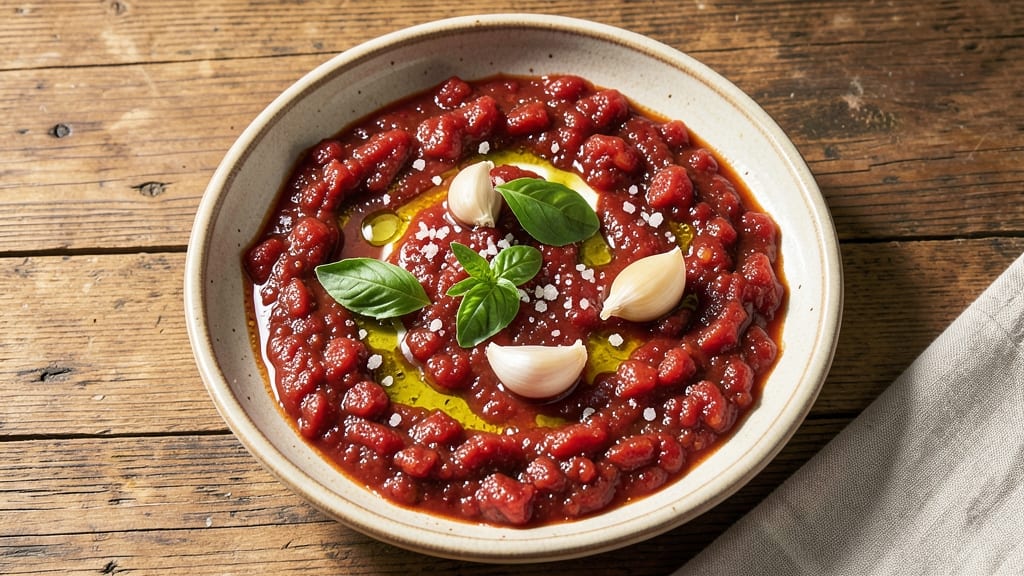
This authentic Margherita pizza sauce captures the essence of Naples in every spoonful—bright, tangy, and bursting with fresh basil that transforms ordinary pizza into something truly special.
The key lies in using ripe tomatoes, slow simmering to concentrate flavors, and finishing with just the right amount of garlic and olive oil, never overpowering the delicate tomato essence.
What sets this sauce apart is its simplicity and precision—no sugar, no artificial flavors, just high-quality ingredients cooked with traditional Italian techniques. I simmer the tomatoes until they break down naturally, creating a velvety texture while preserving their vibrant acidity.
The garlic infuses just enough aroma without dominating, and the basil adds that signature freshness.
By the time you're done, you'll have a glossy, aromatic sauce that's perfect for any Margherita pizza—whether you're making it from scratch or elevating store-bought dough.
The balance of sweetness, acidity, and herbal notes is exactly what makes this sauce authentic, and it keeps beautifully in the fridge for up to 5 days.
This sauce is the foundation of a perfect Margherita, and once you taste it, you'll never go back to store-bought versions. Let's create it together—step by step, just like Nonna would have made it.
Ingredients for authentic margherita pizza sauce
Seven ingredients, Italian tradition. This sauce delivers authentic Margherita flavor in every spoonful.
| Ingredient | Amount | Notes |
|---|---|---|
| San Marzano Tomato Whole Cans 🍅 | 28 oz | Crushed by hand, no salt added |
| Extra-Virgin Olive Oil 🫒 | ½ cup | Fruity, peppery variety preferred |
| Garlic Cloves 🧄 | 4 cloves | Fresh, peeled, lightly crushed |
| Fresh Basil Leaves 🌿 | ½ cup | Packed, stems removed |
| White Wine Vinegar 🍷 | 1 tbsp | For brightness, not sweetness |
| Sea Salt 🧂 | ½ tsp | Diamond Crystal preferred |
| Freshly Ground Black Pepper 🌶️ | ¼ tsp | Light hand only |
San Marzano tomatoes are non-negotiable here—their natural sweetness and low acidity create that perfect balance. Find them at Italian markets or well-stocked grocery stores like Whole Foods or Trader Joe's. The cans should be heavy and plump, with no dents or bulges. For the olive oil, California brands like Corto or Lucini have that perfect peppery kick that elevates the sauce. Fresh basil matters too—look for stems with bright green leaves, not wilted or yellowing ones. The farmers market usually has the freshest, but grocery store basil works in a pinch if it's still crisp.
No San Marzano? Vine-ripened tomatoes are your next best bet, but avoid those mealy grocery store varieties. Short on basil? Fresh parsley at half the amount adds brightness, though it won't have that signature Margherita punch. The white wine vinegar can be swapped for lemon juice at double the amount, but it'll taste slightly different. For the garlic, garlic powder at half the amount works if you're in a bind, though fresh is always better. The olive oil? Don't substitute with vegetable oil—the flavor profile changes dramatically. And whatever you do, skip the sugar—this sauce relies on the natural sweetness of the tomatoes.
This sauce keeps beautifully—5 days in the fridge sealed in a jar with a thin layer of olive oil on top. For longer storage, freeze in ice cube trays and transfer to a baggie. Thaw overnight in the fridge before using. The flavor actually improves after the first day as the ingredients meld together. Double the batch—you'll want it for more than just pizza. I always make a big batch and use it on bruschetta, pasta, or as a drizzle for grilled vegetables. The key is patience—let it sit and develop those flavors.
Why You'll Love This Recipe
- Five-Ingredient Magic: I swear by this combo—San Marzano tomatoes, olive oil, garlic, basil, and a splash of vinegar. That’s it. No fancy gadgets, no stress, just pure, bright flavor with zero fuss.
- Garlic-Basil Bomb: The moment I crush fresh garlic into warm oil and let it bloom? My kitchen smells like a Roman trattoria. Then the basil—torn, not chopped—releases its perfume when you spread it on pizza dough. It’s that simple, yet chef’s kiss every time.
- Pantry-to-Party Ready: Make a big batch on Sunday, and you’ve got sauce for pizza nights, bruschetta, or even a quick pasta. My freezer’s always stocked with this stuff—because nothing says “hosting like a pro” like pulling out a jar of homemade margherita magic.
- No-Waste Win: San Marzano cans last ages, and a little vinegar stretches the flavor further. I’ll be real: I’ve used the last drops to punch up a vinaigrette or deglaze a pan. That’s money saved, and zero guilt when the jar’s nearly empty.
Step-by-step instructions for authentic Margherita pizza sauce
Here's how to craft a sauce that captures the true essence of Neapolitan tradition.
Crush the San Marzano Tomatoes by Hand
Empty the 28 oz San Marzano tomato whole cans into a large bowl, discarding any juice. Using your clean hands, gently crush each tomato between your palms, pressing firmly but not aggressively. You want to break them down into small, uneven chunks—think rustic, not smooth. The texture should resemble coarse tomato pulp with some whole pieces remaining. This method preserves the tomato's natural sweetness and prevents a mushy sauce.
I like to work in batches if needed, keeping the crushed tomatoes in the bowl as I go. The goal is to maintain as much of the tomato's natural integrity as possible—this is what gives authentic Margherita sauce its signature depth. Avoid using a fork or potato masher, as it can over-pulp the tomatoes and release excess liquid, which we want to control carefully in this recipe.
Sauté Garlic in Olive Oil Until Fragrant
Heat the 0.5 cup extra-virgin olive oil in a medium saucepan over medium-low heat. Add the 4 lightly crushed garlic cloves and cook gently for 2-3 minutes until they become translucent and release their aroma. You're looking for a gentle sizzle rather than browning—the garlic should smell sweet and pungent, not bitter. This step is crucial for building the sauce's flavor foundation without overpowering it with raw garlic taste.
I always use a light hand with garlic in this sauce—just enough to provide a subtle aromatic backbone. Remove the pan from heat immediately once the garlic is fragrant, as it can quickly turn bitter. Let the garlic-infused oil sit for 1 minute to steep, then return the pan to the stove. This brief pause allows the garlic's oils to fully infuse into the oil before we combine everything.
Combine Tomatoes and Simmer Gently
Add the crushed tomatoes to the garlic oil, stirring gently to combine. Bring the mixture to a simmer over medium heat, then reduce to the lowest setting possible while maintaining a gentle bubble. Let it cook uncovered for 20-25 minutes, stirring occasionally. You want the sauce to reduce by about 30%, until it reaches a thick, syrupy consistency that coats the back of a spoon. The color should deepen to a rich, vibrant red.
This slow reduction is what creates the authentic Margherita sauce's concentrated tomato flavor. I like to taste the sauce after 15 minutes—it should be sweet and tangy, with the garlic aroma still present but not overpowering. If it starts to stick to the bottom, add 1-2 tablespoons of water to prevent burning. The sauce should never boil vigorously, as this would break down the tomato's delicate flavors.
Finish with Vinegar and Seasonings
Remove the sauce from heat and stir in the 1 tablespoon white wine vinegar, 0.5 teaspoon sea salt, and 0.25 teaspoon freshly ground black pepper. The vinegar adds a bright acidity that cuts through the richness of the tomatoes, while the salt and pepper balance the flavors perfectly. Taste and adjust—you might need a touch more salt, but avoid over-peppering as this can dominate the delicate tomato flavor.
Let the sauce sit off heat for 5 minutes to allow all the flavors to meld together. This resting period is essential—it lets the vinegar's acidity mellow slightly and gives the salt time to fully dissolve. The sauce should have a vibrant red color with a thick, glossy consistency that will beautifully coat your pizza dough without overwhelming the fresh mozzarella and basil.
Incorporate Fresh Basil at the End
Just before using the sauce, add the 0.5 cup fresh basil leaves. Gently fold them into the warm sauce using a wooden spoon, being careful not to tear them. The basil should be whole and vibrant, adding both visual appeal and its signature fresh, slightly peppery flavor. The heat of the sauce will release the basil's essential oils, infusing the sauce with its aromatic qualities without making it taste like pesto.
This is where the sauce truly comes together—you'll notice the basil's bright green color intensify as it wakes up in the warm tomato mixture. The sauce should now have a perfect balance of sweet tomato, bright acidity, and fresh herbal notes. Use it immediately on your pizza, spreading it thinly and evenly over the dough to let the other flavors shine. The basil will wilt slightly as it cooks, creating that classic Margherita aroma that wafts through every bite.
Pro Tips For Making Authentic Margherita Pizza Sauce
- Peel the Garlic Fast: After burning my fingers on cloves I refused to peel, I learned to smash them whole with the flat side of a chef’s knife—then slide them out like a little garlic shell. No wasted effort, no raw edges.
- Crush the Tomatoes: Dump whole San Marzano tomatoes into a food mill or sieve (no blender—it turns them mushy). The texture stays bright and chunky, just like Neapolitan sauce. I tried blending once; the result was sad.
- Salt the Vinegar: Toss a pinch of flaky salt into the white wine vinegar before mixing it into the sauce. It cuts the acidity and rounds out the flavor—my grandmother’s trick, and it actually works.
- Simmer Low and Long: Reduce the sauce to a thick, syrupy consistency over 45–60 minutes on the lowest heat you can stand. Rushing it makes it watery; patience gives you that glossy, clingy sauce that clings to dough like it’s been waiting for it.
Perfect pairings for this recipe
Classic Side Dishes
Serve your Margherita sauce with crusty Italian bread for dipping—try a ciabatta loaf from Eataly or your local bakery. The crispy texture contrasts perfectly with the sauce's glossy richness.
For a lighter option, pair it with a simple arugula salad—toss 4 cups baby arugula with 2 tbsp olive oil and 1 tbsp lemon juice—the peppery bite refreshes your palate between bites. 🥗
Wine Pairings
A crisp Pinot Grigio from Italy’s Alto Adige region is my go-to—its citrusy notes complement the sauce’s bright acidity without overpowering it. For something lighter, a Vermentino from Sardinia adds a mineral edge that enhances the basil’s freshness.
Avoid heavy reds like Chianti; they’ll clash with the delicate tomato essence. 🍷
Beer Complements
An Italian lager like Peroni or Moretti cleanses the palate beautifully, letting the sauce’s flavors shine. For craft beer lovers, a Belgian witbier with its coriander and citrus notes creates an unexpected but delightful contrast. Skip hoppy IPAs—they’ll overpower the sauce’s subtle sweetness.
Cheese Board Pairings
Turn your sauce into a dip for a Mediterranean cheese board—pair it with burrata, pecorino Romano, and prosciutto di Parma. The creamy burrata soaks up the sauce beautifully, while the salty pecorino and prosciutto add depth. Add roasted cherry tomatoes and olives for extra texture. 🧀
Grilled Vegetable Drizzle
Use this sauce as a finishing drizzle for grilled zucchini or eggplant slices. The charred flavors of the vegetables pair perfectly with the sauce’s brightness. Toss the veggies with 1 tbsp olive oil, grill until tender, then drizzle with the sauce and fresh basil.
It’s a fantastic vegetarian main dish. 🌿
Breakfast Twist
Don’t limit this sauce to pizza! Use it as a tomato sauce for bruschetta—spread it on toasted baguette slices, top with a poached egg, and sprinkle with flaky sea salt.
The basil’s freshness cuts through the richness of the egg yolk beautifully. It’s a game-changer for weekend brunches. 🍳
Nutrition facts
Frequently asked questions
Why does authentic Margherita sauce use whole San Marzano tomatoes instead of crushed or sauce?
Crushing whole San Marzano tomatoes by hand preserves their natural sweetness and texture, creating a rustic, chunky sauce that's essential for authentic flavor. The skins and seeds add depth, while avoiding pre-crushed tomatoes prevents excess moisture that would make the sauce watery. This traditional method mimics how Neapolitan cooks prepare their famous pizza sauce.
Can I make this sauce without fresh basil?
Fresh basil is non-negotiable for authentic flavor, but you can use 1/4 cup dried basil as a substitute if needed. For best results, add it during the simmering stage (about 10 minutes before the end) to let the flavors meld. The sauce won't have the same vibrant aroma, but it'll still be delicious. For a different approach, try 1 tbsp basil pesto mixed in at the end.
How do I prevent the sauce from tasting too acidic?
Balance acidity by adjusting the white wine vinegar—start with 1 tbsp and reduce to 1 tsp if you prefer milder flavor. The key is simmering the tomatoes long enough (about 20-25 minutes) to concentrate their natural sweetness. If it still tastes too sharp, add 1/2 tsp sugar (though traditional recipes avoid this) or a pinch more salt to enhance the tomato's inherent sweetness.
What's the best way to store leftover sauce?
Store in an airtight container with a thin layer of olive oil on top to preserve freshness. The sauce keeps for 5 days in the fridge or 3 months in the freezer. For freezing, portion into ice cube trays before transferring to a baggie. Thaw overnight in the fridge—never microwave, as it destroys the delicate tomato flavors. The sauce actually improves after 24 hours as flavors meld!
Can I use this sauce for other dishes besides pizza?
This versatile sauce works perfectly on bruschetta, as a pasta sauce, or drizzled over grilled vegetables. For bruschetta, spread on toasted baguette with olive oil and fresh mozzarella. For pasta, toss with orecchiette and garlic. The bright acidity and fresh basil make it ideal for summer salads too—just thin it slightly with olive oil.