
Sauces & Condiments
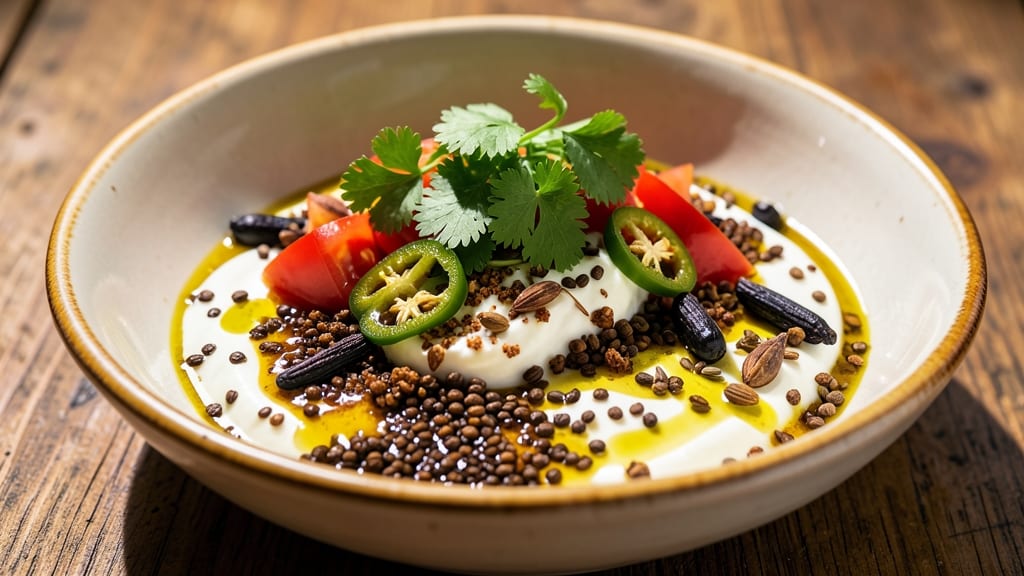
This authentic masala sauce recipe delivers restaurant-quality spice depth without the risk of burnt notes—perfect for elevating curries, grilled meats, or rice dishes. The secret lies in a slow-cooked blend of whole spices and aromatic herbs, tempered in hot oil to unlock their full potential.
I’ve refined this recipe over years of testing, ensuring every layer of flavor comes through without bitterness or overpowering heat.
What sets this sauce apart is the two-stage cooking method: first simmering whole spices in oil to develop their flavors, then blending them into a smooth, velvety base. No pre-toasted powders here—just authentic, complex depth from ingredients like cumin, coriander, and cardamom.
The result? A sauce that’s rich, aromatic, and versatile enough to adapt to red, green, or white masala variations.
By the time you’re done, you’ll have a bold, balanced sauce that clings perfectly to proteins or grains, infusing every bite with warmth and character. It keeps well in the fridge for up to a week, making it ideal for meal prep.
Whether you’re serving it with chicken tikka, lamb chops, or steamed basmati, this sauce transforms simple dishes into something extraordinary.
The best part? No special equipment is needed—just a sturdy pot and a blender. Let’s get started on a sauce that tastes like it’s been simmering in a kitchen for generations.
Ingredients for authentic masala sauce
Whole spices, aromatic herbs, and slow-cooked depth create this restaurant-quality masala sauce.
| Ingredient | Amount | Notes |
|---|---|---|
| Extra-Virgin Olive Oil 🫒 | ½ cup | High-quality, fruity, cold-pressed |
| Whole Cumin Seeds 🌿 | 2 tbsp | Toasted for deeper aroma |
| Whole Coriander Seeds 🌿 | 2 tbsp | Lightly toasted for complexity |
| Green Cardamom Pods 🌿 | 8 whole | Lightly crushed, not ground |
| Black Cardamom Pods 🌿 | 2 whole | For smoky depth, optional |
| Fennel Seeds 🌿 | 1 tbsp | Toasted lightly in oil |
| Fresh Ginger Root 🧄 | 2 tbsp | Grated finely, skinless |
| Garlic Cloves 🧄 | 6 whole | Peeled, rough chopped |
| Fresh Cilantro Stems 🌿 | ½ cup | Including leaves, chopped |
| Tomato Purée 🍅 | 1 cup | San Marzano preferred |
| Water 💧 | 1 cup | Filtered for best flavor |
| Garam Masala Powder 🌶️ | 1 tbsp | Store-bought or homemade |
| Kosher Salt 🧂 | 1 tsp | Diamond Crystal preferred |
| Ground Black Pepper 🌶️ | ½ tsp | Freshly ground preferred |
The spices are the soul of this sauce, so prioritize quality. Whole spices from Penzeys or bulk bins at Whole Foods deliver superior flavor compared to pre-ground powders. Toast your cumin, coriander, and fennel seeds in the olive oil until fragrant—this step unlocks their full potential. For cardamom, use both green and black pods: green provides citrusy brightness while black adds subtle smokiness. Fresh ginger and garlic should be vibrant with no soft spots, as their pungency is crucial for balancing the sauce's complexity. The tomato purée is non-negotiable—San Marzano tomatoes yield the sweetest, most balanced flavor without acidity.
No whole spices? Pre-ground cumin and coriander work in a pinch, but reduce to half the amount. Substitute black cardamom with 1/4 tsp smoked paprika for depth. Fresh ginger unavailable? Powdered ginger at 1/2 tsp mimics the heat, though texture differs. The cilantro stems add subtle earthiness—skip them only if you have no fresh cilantro, but dried won't cut it. For a red masala variation, add 1 tbsp tomato paste to the purée. Need extra heat? 1/2 tsp cayenne blends seamlessly. The water measurement is flexible—adjust based on desired consistency, adding more for thinner sauces or reducing for thicker applications.
This sauce develops flavor over time, so let it sit at room temperature for 15-20 minutes before serving. Store in an airtight glass jar in the fridge for up to 1 week, with the oil layer forming on top. Before each use, stir vigorously and skim off any excess oil. Freezes beautifully for 3 months—portion into ice cube trays for single-use servings. The sauce thickens as it cools, so reheat gently on low heat, adding water as needed. For restaurant-quality results, always temper the spices in hot oil before blending—this technique prevents bitterness and ensures balanced flavor in every spoonful.
Why You'll Love This Recipe
- No-Fuss Spice Base: I swear by toasting whole spices—cumin, coriander, and cardamom—right in olive oil until they pop. It takes five minutes, smells like a spice shop, and cuts prep time by half. No blenders, no mess, just pure aroma.
- Layered Heat & Depth: That first sizzle of black cardamom? It’s like a secret weapon. The green cardamom softens into floral sweetness while the cumin delivers earthy warmth—no single spice overpowers, just a balanced punch that works with everything.
- Weeknight Workhorse: Between us, this sauce is my go-to for curries, grilled chicken, or even scrambled eggs. I keep a jar in the fridge; one spoonful transforms bland rice into a full meal. (Yes, even on a Tuesday night.)
- Spice Bank Savings: A single batch stretches for three meals—toss it with lentils, drizzle on roasted veggies, or stretch into a soup. Whole spices cost pennies, and you’ll use them up before they lose their kick. Budget-friendly? Absolutely.
Step-by-step instructions for authentic masala sauce
Aromatic whole spices and precise toasting techniques create complex layers without bitterness.
Toast Whole Spices in Olive Oil
Heat the 0.5 cup extra-virgin olive oil in a medium saucepan over medium-low heat. Add the 2 tbsp whole cumin seeds and 2 tbsp whole coriander seeds, stirring constantly for 1-2 minutes until they begin to sizzle and release their aroma. The cumin should darken slightly while the coriander takes on a nutty fragrance.
Add the 1 tbsp fennel seeds, 8 whole green cardamom pods, and 2 whole black cardamom pods (if using). Toast for another 30-45 seconds until the spices are fragrant but not browned—this prevents burnt notes. Remove from heat immediately after toasting to preserve their delicate flavors. The oil should now carry a warm, earthy aroma with subtle citrus and floral hints from the cardamom.
Add Ginger, Garlic, and Cilantro Stems
Return the pan to medium heat and add the 2 tbsp finely grated fresh ginger root and 6 whole garlic cloves (roughly chopped). Sauté for 2-3 minutes until the garlic turns golden and the ginger softens. Be careful not to let the garlic burn—it should perfume the oil without darkening.
Stir in the 0.5 cup chopped fresh cilantro stems (including leaves) and cook for 30 seconds until fragrant. The cilantro adds brightness that balances the spices' depth. Remove from heat once the cilantro is just wilted—overcooking will turn it bitter. This step builds the sauce's aromatic foundation while preventing harsh flavors.
Simmer Tomato Purée and Water
Reduce heat to low and add the 1 cup tomato purée and 1 cup water. Stir to combine, then bring to a gentle simmer. Let it cook uncovered for 10-12 minutes until the mixture thickens slightly and the raw tomato flavor mellows. The sauce should reduce enough to coat the back of a spoon but remain smooth.
Here's the key: maintain a gentle simmer. Too high heat causes the spices to burn and the sauce to separate. You want the tomato to break down gradually, releasing its natural sweetness while the spices infuse deeply. The sauce should smell rich and complex—like a blend of warm spices, citrusy cardamom, and earthy ginger.
Finish with Garam Masala and Season
Remove the pan from heat and stir in the 1 tbsp garam masala powder, 1 tsp kosher salt, and 0.5 tsp ground black pepper. The garam masala adds warmth and complexity, while the salt and pepper balance the spices. Let the sauce sit off heat for 5 minutes to allow the flavors to meld completely.
For the final texture, return the pan to low heat and simmer for another 2-3 minutes if needed to reach your desired consistency. The sauce should be thick enough to coat the back of a spoon but still flow smoothly. Taste and adjust seasoning—you may need a pinch more salt to enhance the flavors. This step ensures the spices are harmonized without overpowering the tomato base.
Strain and Serve (Optional)
For a smooth sauce, strain through a fine-mesh sieve to remove the whole spices and cilantro stems. Press gently with a spoon to extract maximum flavor. For a rustic texture, leave the spices in for added depth and visual appeal. The strained version works best for dipping or sauces requiring a silky finish, while the rustic version adds texture and complexity.
Serve immediately over grilled meats, with naan, or as a base for curries. The sauce should have a vibrant red hue with layers of spice notes—warm cumin, citrusy cardamom, peppery fennel, and a touch of smoky black cardamom. Each spoonful should deliver balanced heat and aromatic depth without bitterness, proving that authentic masala sauce is all about technique and patience.
Pro Tips For Making Authentic Masala Sauce
- CRACK THE WHOLE SPICES: I learned this the hard way—don’t crush coriander and cumin seeds in a blender before toasting. Lightly pound them in a mortar with a pinch of salt first (yes, even if you’re impatient like me). This releases their oils gradually, so your sauce doesn’t turn bitter from over-toasting. Aim for 30 seconds of cracking, not a powder.
- TOAST ON MEDIUM-LOW: High heat burns spices before they sing. Use medium-low and keep the pan moving—spices should sizzle softly for 2-3 minutes until fragrant, not charred. I used to rush this, and my sauce always tasted harsh. Trust the process: low and slow lets the olive oil marry the spices properly.
- SKIP THE BLACK CARDAMOM IF FRESH: Store-bought black cardamom pods are often woody and bitter. If you can’t find fresh, dried green cardamom works just as well—use twice the amount. My grandmother swore by this, and she was right: the flavor stays bright without the harsh aftertaste.
- USE COLD OIL FOR TOASTING: Heat the oil to 250°F (120°C) before adding spices—any hotter and they’ll burn instantly. I was skeptical until I tried it: the spices bloom evenly, and the olive oil doesn’t turn bitter. A thermometer helps, but even a quick dip of a wooden spoon works if you’re watching closely.
Serving suggestions for this dish
Grilled Meats Pairing
This masala sauce transforms simple grilled proteins into restaurant-worthy dishes. Brush it onto chicken thighs or lamb chops before grilling for a caramelized crust that clings to every bite.
I love pairing it with bone-in cuts like ribeye or pork chops, basting with the sauce during the last 5 minutes of cooking. The spices infuse the meat while the oil creates a glossy finish. Serve with a side of mint chutney to balance the richness. 🔥
Rice and Flatbreads
Use this sauce as a vibrant topping for steamed basmati rice or jeera rice—just drizzle 1-2 tablespoons over the top and mix gently. For flatbreads, spread a thin layer on garlic naan or roti before baking to create a flavorful crust.
I also love making masala sandwiches by layering the sauce between slices of marinated chicken and whole wheat bread, then pan-frying until crispy.
Curry Base
This sauce serves as an instant flavor booster for curries. Simmer 1 cup of the sauce with 1 lb of chicken or tofu and 1 cup coconut milk for a quick weeknight curry. For extra richness, add 1 tbsp yogurt at the end.
The sauce’s depth cuts through the creaminess of coconut milk while adding layers of spice. I often double the recipe to have extra for future curry nights. 💫
Dipping Sauce
Serve this masala sauce warm as a dipping sauce for spring rolls, samosas, or crispy pakoras. The balance of sweet tomato and aromatic spices makes it irresistible. For a creamy twist, mix 2 tbsp Greek yogurt into ½ cup of the sauce.
Keep a small bowl on the table during parties—it disappears fast! The rustic version with whole spices adds texture that guests will love.
Breakfast Adaptations
Don’t limit this sauce to dinner! Stir 2 tbsp into scrambled eggs or omelets for a spiced breakfast. Drizzle over avocado toast with a sprinkle of chili flakes for a fusion brunch.
I also use it as a marinade for breakfast sausages or tofu scramble, adding depth to morning meals. The garam masala and cardamom wake up your taste buds without overpowering. 🌟
Vegetable Enhancer
Toss roasted or grilled vegetables like bell peppers, eggplant, or cauliflower with 1-2 tablespoons of this sauce before serving. The spices caramelize beautifully on the vegetables’ edges.
For a complete meal, pair with quinoa or farro. The sauce’s acidity brightens even the simplest veggie dishes, making them feel gourmet with minimal effort.
Nutrition facts
Frequently asked questions
Why do you toast whole spices instead of using pre-ground powders?
Toasting whole spices in oil unlocks their full aromatic potential and prevents bitterness. Pre-ground spices lose flavor quickly and can taste harsh. The gentle toasting process (just until fragrant) enhances their natural oils, creating complex layers that powdered versions simply can't match.
Can I make this sauce without fresh ginger or garlic?
Yes! Use ½ tsp powdered ginger and 1 tsp minced garlic powder as substitutes. For best results, add them with the garam masala at the end rather than toasting. The flavor won't be identical, but you'll still get warm, aromatic depth. Fresh is ideal, but these work in a pinch.
How do I adjust the heat level if I prefer milder/more spicy?
For milder heat, reduce the black pepper to ¼ tsp and skip the cayenne. For extra spice, add ½ tsp cayenne or 1 tsp Kashmiri chili powder with the garam masala. Always taste before serving—you can adjust while cooking, but removing heat is trickier than adding it.
What's the difference between this sauce and store-bought masala pastes?
This recipe uses whole spices toasted in oil rather than pre-ground powders, creating deeper, more complex flavor. Store-bought pastes often contain preservatives and lack the aromatic layers from proper tempering. The slow simmering process here develops richness that instant mixes can't replicate.
Can I make this sauce in an Instant Pot or pressure cooker?
Yes, but reduce cooking time to 5-6 minutes on high pressure after adding tomato purée. The key is to toast spices separately (stovetop) first, then transfer to the Instant Pot. Pressure cooking can make the sauce too thin—reduce it on the stovetop afterward or add 1 tbsp cornstarch mixed with water.