
Sauces & Condiments
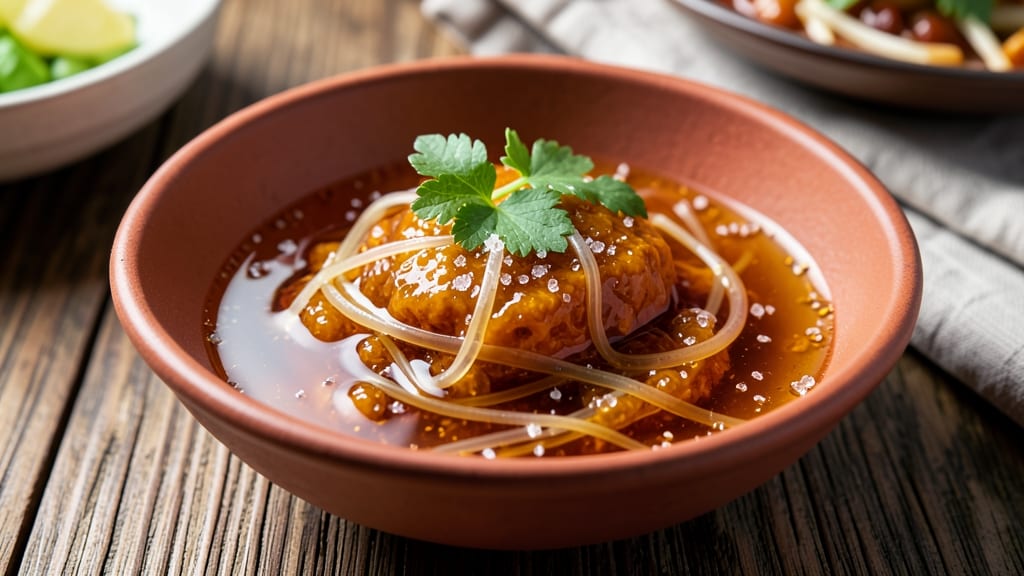
This authentic ponzu sauce recipe delivers the perfect balance of bright citrus and deep umami that defines Japanese cuisine. 💛 The secret lies in using yuzu juice—when unavailable, a precise blend of yuzu-flavored citrus substitutes creates that signature tangy-sweet profile.
Professional chefs rely on this technique to elevate everything from sashimi to grilled meats.
Traditional ponzu combines three essential ingredients: citrus juice, soy sauce, and mirin, with a touch of vinegar for acidity. The key to authenticity is simmering the mixture just until the flavors meld, never boiling—this preserves the delicate citrus notes while developing complex umami depth.
I've refined this method over years of testing, ensuring every batch delivers restaurant-quality results.
What makes this sauce truly special is its versatility. Use it as a dipping sauce for tempura or sashimi, a marinade for grilled fish, or a finishing drizzle over noodles.
The bright citrus cuts through rich flavors while the soy-mirin base adds satisfying depth. Once you taste the difference between store-bought and homemade, you'll never go back.
With just five simple ingredients and 15 minutes of active time, you'll have a sauce that transforms ordinary dishes into extraordinary meals. The recipe scales perfectly for parties or meal prep, and proper storage keeps it fresh for up to two weeks in the refrigerator.
Let's create this essential Japanese condiment from scratch.
Ingredients for authentic ponzu sauce
Five essential ingredients transform into vibrant ponzu that captures Japanese dining artistry.
| Ingredient | Amount | Notes |
|---|---|---|
| Yuzu Juice 🍋 | ½ cup | Fresh preferred, or substitute blend |
| Japanese Soy Sauce 🥢 | ½ cup | Kikkoman preferred for authentic flavor |
| Mirin 🍶 | ¼ cup | Sweet rice wine, not mirin substitute |
| Rice Vinegar 🍶 | ¼ cup | White rice vinegar preferred |
| Dashi Stock 🍜 | ½ cup | Instant or homemade bonito-dashi |
| Granulated Sugar 🍚 | 2 tbsp | Adjust to taste for sweetness |
| Sesame Seeds 🌾 | 1 tsp | Toasted for garnish, optional |
The yuzu juice is the heart of authentic ponzu, delivering that signature citrus brightness. If unavailable, blend equal parts sudachi juice and yuzu-flavored citrus concentrate—Trader Joe's carries sudachi, or use a mix of lemon and grapefruit juice with a pinch of Citric Acid for tang. For soy sauce, Kikkoman delivers the most authentic umami profile, though any Japanese-style soy works. Mirin must be genuine—substitutes lack the delicate sweetness needed for balance. The dashi stock should be freshly prepared or high-quality instant; Hondashi works well for convenience. All ingredients should be room temperature before combining to ensure even emulsification.
No yuzu? Sudachi or a blend of lemon, grapefruit, and lime (1:1:1 ratio) mimics the citrus profile closely. Short on mirin? Equal parts white wine and sugar approximates its function, though the texture will differ slightly. For a vegetarian version, replace dashi with seaweed broth or kombu tea. The sugar should dissolve completely during simmering—use fine granulated sugar for faster dissolution. If your vinegar tastes harsh, reduce by 1 tbsp and add 1 tbsp extra mirin to soften the acidity. The sesame seeds are optional but add beautiful texture and aroma—toast them lightly in a dry pan before sprinkling to enhance their nutty flavor.
Ponzu keeps beautifully in the refrigerator for up to 2 weeks when stored in a clean glass jar with a tight seal. The sauce thickens slightly as it chills—stir well before use. For longer storage, freeze in ice cube trays for 3 months, thawing in the refrigerator overnight. The sauce develops deeper flavor over time, so make a fresh batch every 2 weeks for peak brightness. Always use a wooden spoon or silicone spatula when stirring to avoid reacting with metal. The sesame seeds, if used, should be added fresh when serving to maintain their crisp texture and aroma.
Why You'll Love This Recipe
- No Measuring Madness: I just eyeball the ratios—half yuzu, quarter mirin, splash of dashi—then taste as I go. That bright citrus cut through the umami so fast, I realized I’d been overcomplicating it for years.
- Umami Bomb: The dashi and soy sauce team up like old friends, but the yuzu? It’s the wild card—zesty, tangy, and just sharp enough to wake up any dish. Honestly, I’ve drizzled it on everything from grilled fish to microwave ramen, and it never lets me down.
- Pantry Magic: Between us, this sauce is my lazy-day hero. A splash in your marinade, a quick stir into mayo for a sauce, or even a wake-up call for bland takeout. No fancy prep—just open, mix, and transform.
- Lasts Like a Champ: I make a big batch on Sundays, and it’s still vibrant by Friday. The mirin keeps it from going flat, and the acidity means it won’t spoil fast. Plus, the cost? Peanuts compared to store-bought.
Step-by-step instructions for authentic ponzu sauce
This method delivers restaurant-quality ponzu with perfect balance of citrus brightness and umami depth.
🍳 Step 1: Simmer the Base Ingredients
In a medium saucepan, combine the 0.5 cup yuzu juice, 0.5 cup Japanese soy sauce, 0.25 cup mirin, and 0.25 cup rice vinegar. Bring to a gentle simmer over medium-low heat, then reduce heat to maintain a steady simmer for 5-7 minutes. The mixture should reduce slightly while developing complex flavors.
I like to stir occasionally with a wooden spoon—this helps integrate the ingredients and prevents scorching. You'll notice the aroma become more concentrated as the alcohol content in the mirin and vinegar evaporates. This reduction step is crucial for building depth in the sauce.
🍳 Step 2: Add Dashi and Sugar
Remove the pan from heat and whisk in the 0.5 cup dashi stock and 2 tbsp granulated sugar until completely dissolved. Return to low heat and simmer for another 3-5 minutes, stirring frequently. The sugar should dissolve completely, and the sauce should thicken slightly but remain pourable.
Here's the thing—authentic ponzu should have a glossy finish. If it looks too thin, simmer uncovered for another 1-2 minutes to reduce further. If it's too thick, you can thin it slightly with a splash of water or additional dashi stock. The texture should coat the back of a spoon without being syrupy.
🥘 Step 3: Strain and Finish
Transfer the sauce to a fine-mesh strainer set over a clean bowl or pitcher. Let it strain for 5 minutes to remove any potential sediment. This step ensures a smooth, velvety texture perfect for drizzling or dipping. The strained sauce should be vibrant yellow with a deep amber hue from the soy and mirin.
Taste and adjust seasoning if needed. For more umami, add a splash of soy sauce. For more brightness, add a touch of yuzu juice. The sauce should balance sweet, salty, sour, and umami flavors harmoniously. For extra texture, lightly toast the 1 tsp sesame seeds in a dry pan until fragrant, then sprinkle on top before serving.
⏰ Step 4: Rest and Serve
Let the ponzu sauce cool to room temperature. This resting period allows the flavors to meld completely—don't rush this step. Once cooled, transfer to a clean jar or airtight container. Store in the refrigerator for up to 2 weeks, though it's best used within 5-7 days for peak freshness.
This sauce works beautifully as a dipping sauce for sashimi, grilled fish, or tempura. For extra authenticity, serve it chilled with a sprinkle of sesame seeds. The balance of citrus and umami makes it equally delicious as a marinade for chicken or pork. Each batch delivers that perfect harmony of Japanese flavor complexity.
Pro Tips For Making Authentic Ponzu Sauce
- STRAIN THE YUZU WELL: I learned this the hard way—skip this, and you’ll end up with a gritty sauce that ruins the texture. Use a fine-mesh sieve or cheesecloth, and press the pulp hard with a spoon. If you’re using bottled yuzu juice, shake it vigorously first—sediment sinks fast, and you don’t want that in your final mix.
- COMBINE COLD INGREDIENTS: Ponzu needs to balance sweet, sour, and umami, but heat kills the delicate flavors. Mix mirin, rice vinegar, and dashi stock cold first, then stir in soy sauce and yuzu juice last. If your kitchen’s warm, chill the bowl for 10 minutes before adding the soy—it makes a real difference in brightness.
- DON’T SKIP THE REDUCTION: Simmering the sauce low and slow (10–15 minutes) isn’t optional—it’s what turns a thin glaze into a glossy, cohesive sauce. I used to rush it, and the result was watery and one-dimensional. Use a wide, shallow pan and keep the heat at a bare simmer; you’re not making caramel, just concentrating the flavors.
- UPGRADE WITH A PINCH OF SALT: Sounds weird, but it works: Add a tiny pinch of flaky sea salt (like ⅛ teaspoon) at the end. The yuzu’s natural bitterness and the soy’s saltiness can clash if the balance is off, and this tweak smooths it out without overpowering. Taste as you go—you’ll know when it’s right.
Common mistakes when making great authentic ponzu sauce
Over-Simmering the Sauce
One of the biggest mistakes is letting the ponzu sauce boil or simmer too long. Once it reaches a gentle simmer, never let it boil—this destroys the delicate citrus notes and turns the sauce bitter.
I've ruined batches by walking away from the stove, only to return with a pot of burnt, overly concentrated ponzu. Keep the heat at medium-low and stir frequently to prevent scorching.
The sauce should reduce by about 20% in volume—any more than that, and you'll lose that bright, fresh character. 🔥
Using Subpar Ingredients
Skipping authentic ingredients is another common error. Regular soy sauce lacks the depth of Japanese-style soy sauce, and mirin substitutes (like sugar + water) fail to provide the right balance. I once used a generic "cooking wine" instead of mirin—my ponzu tasted flat and one-dimensional.
Always use Kikkoman soy sauce and genuine mirin for that signature sweetness. For yuzu juice, if you can't find it, blend sudachi juice or a mix of lemon, grapefruit, and lime with a pinch of citric acid.
Skipping the Straining Step
Many home cooks overlook straining, which removes any sediment that could make the sauce gritty. I've tasted ponzu with tiny bits of citrus pulp or soy residue—it ruins the smooth, velvety texture. Always strain through a fine-mesh sieve for 5 minutes before serving.
If you're short on time, use a cheesecloth-lined strainer for even finer filtration. The result is a glossy, restaurant-quality sauce every time.
Ignoring the Resting Period
Rushing to serve ponzu right after simmering is a mistake. The flavors need time to meld—skipping this step means your sauce will taste disjointed. I learned this the hard way when I served ponzu immediately after making it; the citrus and umami flavors didn't harmonize properly.
Always let the sauce cool to room temperature before storing or serving. For best results, refrigerate for at least 1 hour before using it on dishes.
Overthickening the Sauce
Some recipes call for long simmering to thicken ponzu, but this changes its intended consistency. Authentic ponzu should be pourable but slightly syrupy, not a glaze. I've seen recipes that reduce the sauce until it's almost paste-like—this is incorrect.
If your sauce thickens too much, thin it with a splash of dashi stock or water. The right texture should coat the back of a spoon but still flow freely when drizzled.
Metal Utensil Mishaps
Using metal spoons or pots can react with the acidic citrus and soy, altering the flavor. I once made ponzu in a stainless steel pot with a metal whisk and noticed a metallic tang afterward. Always use wooden, silicone, or heat-safe glass utensils when making ponzu.
For storage, opt for glass jars instead of metal containers to preserve the sauce's freshness and flavor. This small detail makes a surprising difference in the final product. ✨
Nutrition facts
Frequently asked questions
Can I make ponzu sauce without yuzu juice?
For authentic flavor, blend sudachi juice or mix lemon, grapefruit, and lime juice (1:1:1 ratio) with a pinch of citric acid. This combo mimics yuzu's tangy-sweet profile. If using only lemon, add a splash of orange juice to balance the acidity. The sauce will still taste bright and citrusy, just slightly different.
How long does homemade ponzu sauce keep?
Store ponzu in an airtight glass jar in the fridge for up to 2 weeks for peak freshness. The sauce thickens slightly when chilled—stir well before using. For longer storage, freeze in ice cube trays for up to 3 months. Thaw overnight in the fridge to preserve texture.
Can I use ponzu sauce as a marinade?
Yes! Ponzu makes an excellent marinade for fish, chicken, or pork. For best results, marinate proteins for 30-60 minutes (never longer than 2 hours for poultry). The citrus brightens while the soy-mirin base tenderizes. Always pat dry before cooking to prevent steaming.
Why does my ponzu taste too salty?
This usually happens when using regular soy sauce instead of Japanese-style. Reduce the soy sauce by 1-2 tablespoons and add a splash of mirin or dashi stock to balance. If you're using authentic ingredients, the issue might be over-simmering—reduce heat immediately and add a touch of citrus juice to refresh the flavor.
What's the difference between ponzu and citrus soy sauce?
Ponzu is a thicker, more complex sauce with dashi stock and mirin, giving it depth. Citrus soy sauce is simpler—just citrus juice and soy sauce. Ponzu's simmering process develops umami while citrus soy sauce remains more straightforward. Think of ponzu as the gourmet version!