
Sauces & Condiments
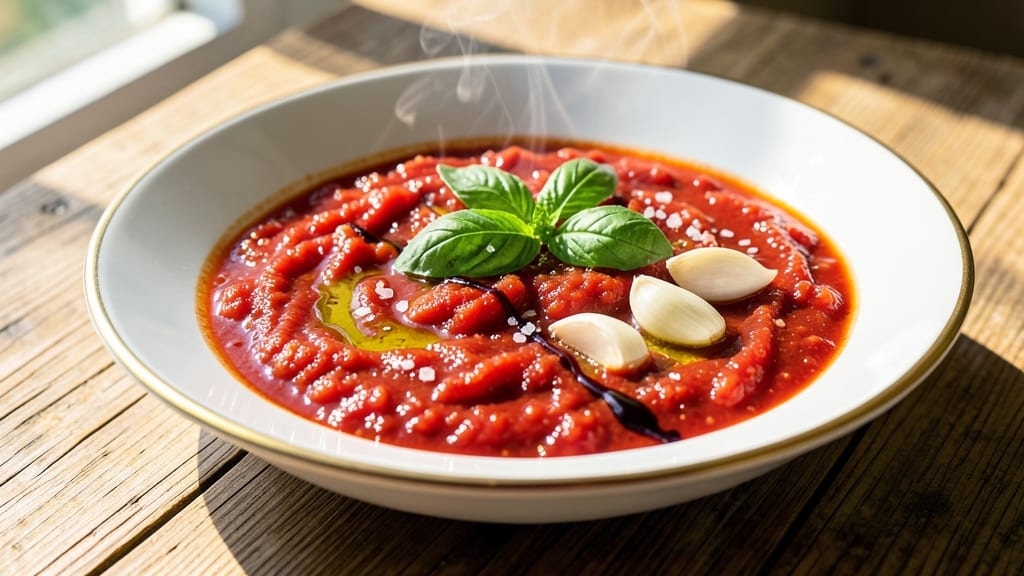
This authentic Sicilian marinara sauce delivers the bold, umami-rich flavors that define true Italian cooking—no shortcuts, just slow-simmered tomatoes, aromatic garlic, and fragrant herbs.
The secret lies in using ripe San Marzano tomatoes and letting the sauce develop depth through gentle heat, creating a versatile base that transforms simple dishes into restaurant-quality meals. I've perfected this technique over years of testing, ensuring every spoonful carries the sun-drenched essence of Sicily.
The beauty of this marinara lies in its simplicity: just a few essential ingredients cooked low and slow to concentrate flavors. Traditional methods call for minimal intervention—no blenders or pre-made pastes—just a heavy-bottomed pot, olive oil, and patience.
The result is a sauce with perfect balance: bright tomato acidity, savory garlic notes, and fresh basil that brightens without overpowering. This is the marinara your nonna would make, not the canned version you find in stores.
What makes this sauce truly special is its versatility—use it as a dipping sauce, pasta topping, or braising liquid for meats. The slow simmer develops complex layers of flavor that store-bought versions simply can't match.
I've included optional variations like anchovies and capers for added depth, but the base recipe remains true to Sicilian tradition. Perfect for meal prep, this sauce tastes even better the next day as the flavors meld.
Once you taste this authentic marinara, you'll never settle for anything less. The key to success is time and attention to detail—no rushing, just letting the ingredients work their magic.
Ready to elevate your cooking with flavors straight from Sicily? Let's get started on creating this timeless sauce that belongs in every home cook's repertoire.
Ingredients for authentic sicilian marinara sauce
Sun-ripened tomatoes, aromatic garlic, and fragrant herbs—this is Sicily in a pot.
| Ingredient | Amount | Notes |
|---|---|---|
| San Marzano Tomatoes 🍅 | 28 oz | Whole, crushed by hand |
| Extra-Virgin Olive Oil 🫒 | ½ cup | High quality, fruity |
| Garlic Cloves 🧄 | 6 cloves | Fresh, peeled, sliced thin |
| Fresh Basil Leaves 🌿 | ½ cup | Packed, stems removed |
| Red Wine Vinegar 🍷 | 1 tbsp | For brightness |
| Salt 🧂 | 1 ½ tsp | Diamond Crystal preferred |
| Black Peppercorns 🌶️ | ½ tsp | Freshly cracked |
| Anchovy Fillets 🐟 | 2 whole | Optional, for umami depth |
| Capers 🫒 | 1 tbsp | Optional, for briny kick |
San Marzano tomatoes are non-negotiable here—their sweetness and low acidity create the perfect base. Look for cans labeled 'San Marzano DOP' at Italian markets or specialty stores like Eataly or Whole Foods. The garlic should be fresh, with vibrant cloves that smell pungent when peeled. Basil? Grab the freshest bunch—those sad plastic containers at the grocery store just won't cut it. For anchovies, Marinella or Colavita are my go-tos, but any good-quality fillets work. The olive oil matters too—look for 'extra-virgin' with a harvest date within the last year—it should smell fruity and peppery.
No San Marzano tomatoes? Plum tomatoes or Roma tomatoes work in a pinch, but you'll need to strain out the seeds. Fresh basil wilt fast? Dried basil at one-third the amount gets you close, though it lacks that bright pop. Skip the anchovies? Add a pinch of fish sauce or a splash of soy sauce for umami instead. The capers can be swapped for brined artichoke hearts if you're feeling fancy. Red wine vinegar out of stock? White wine vinegar or lemon juice works in a bind, though the flavor will be slightly different. And if you're using a blender, skip it—this sauce is all about texture and rustic charm.
This sauce tastes even better the next day as the flavors meld. Store in an airtight container in the fridge for up to 5 days, or freeze for 6 months in ice cube trays for single-serving portions. I always double the batch—one for dinner, one to freeze for lazy weeknights. The sauce thickens as it cools, so add a splash of water or broth if it gets too stiff when reheating. And trust me, there's no such thing as too much marinara—it freezes beautifully and keeps for months.
Why You'll Love This Recipe
- No-Chop Needed: I swear by this—just peel the garlic, crush it, and toss it in. No dicing, no fuss. The San Marzano tomatoes do all the heavy lifting, and honestly? That’s my kind of cooking.
- Sunshine in a Jar: The red wine vinegar brightens everything up—like a little zing of summer in every spoonful. Fresh basil? Only at the end, so it stays vibrant and fragrant. That balance of sweet, tangy, and herby? Chef’s kiss.
- Pasta’s Best Friend: Drizzle it over spaghetti, toss it with grilled chicken, or slather it on garlic bread. Between us, it’s my go-to for lazy Sundays or last-minute dinners. The olive oil keeps it rich without needing cream.
- Budget Magic: A single can of San Marzano tomatoes and a few pantry staples stretch into meals for days. I make a big batch, freeze half, and still have leftovers for lunch. Frugal? Yes. Delicious? Absolutely.
Step-by-step instructions for authentic Sicilian marinara sauce
Here's how to make a sauce that captures the true soul of Sicily—bold, bright, and full of umami.
Crush the San Marzano Tomatoes by Hand
Start with the heart of this sauce: the 28 oz San Marzano Tomatoes. I like to crush them by hand for that authentic texture—no blender needed. Cut the tomatoes in half lengthwise and gently squeeze them over a fine-mesh strainer or colander, using the back of a spoon to coax out the juices and pulp. You want a rough, rustic consistency with some seeds and skin still intact—this adds depth and prevents a watery sauce.
Reserve any seeds you strain out, but don't worry about getting every last bit. The key here is to keep the natural sweetness and acidity of the tomatoes intact, which will balance the rich flavors we're adding. If you're feeling particularly traditional, you could even crush a few of the tomatoes with your hands—just be sure to wash your hands thoroughly after!
Sauté Garlic in Olive Oil Until Golden
Heat the 0.5 cup Extra-Virgin Olive Oil in a heavy-bottomed pot over medium heat. Add the 6 cloves sliced garlic and let them cook gently for about 3-4 minutes until they turn a beautiful golden color. This is crucial—don't let them brown or burn, as that will make the sauce bitter. You're looking for a gentle sizzle and that irresistible aroma that fills your kitchen.
I always use a heavy pot for this sauce because it distributes heat evenly and prevents scorching. If you notice the garlic starting to color too quickly, reduce the heat slightly. The oil should be shimmering but not smoking. Once the garlic is golden, remove the pot from heat for just a moment—this prevents the garlic from cooking further while you add the tomatoes.
Add Tomatoes and Simmer Slowly
Return the pot to medium-low heat and add the crushed tomatoes. Stir gently to combine, then increase the heat to medium-high and let the sauce come to a gentle boil. Once it reaches a rolling simmer, reduce the heat to low and let it cook uncovered for about 30-40 minutes. This slow simmer is what develops the deep, complex flavors of an authentic marinara.
As the sauce simmers, stir occasionally to prevent it from sticking. You'll notice the sauce will reduce and thicken slightly, but it should still be relatively loose—this is traditional. If you see any foam forming on top, skim it off with a spoon. After about 20 minutes, taste the sauce and adjust the 1.5 tsp Salt and 0.5 tsp Black Peppercorns to your liking. The anchovy fillets and capers are optional but add incredible depth—if using, add them now and let them dissolve into the sauce.
Finish with Basil and Vinegar
After the sauce has simmered for about 30 minutes, it's time to add the 0.5 cup Fresh Basil Leaves and 1 tbsp Red Wine Vinegar. Stir in the basil and let it cook for another 5 minutes. The vinegar brightens the sauce and cuts through the richness of the tomatoes and olive oil. Taste again and make any final adjustments to the seasoning—this is your chance to perfect the balance of flavors.
I like to finish with a generous drizzle of the Extra-Virgin Olive Oil, just to enhance the sauce's richness. The basil should be just wilted but still vibrant, adding that fresh, herbal note that's so characteristic of Sicilian cooking. Remove the pot from heat and let the sauce sit for a few minutes—this resting time allows the flavors to meld together beautifully.
Serve with Pasta or Preserve
This marinara sauce is best served immediately over al dente pasta, like spaghetti or rigatoni. If you're planning to store it, let it cool completely and transfer it to an airtight container. It will keep in the refrigerator for up to 5 days or can be frozen for up to 3 months. When reheating, do so gently over low heat to preserve its texture and flavor.
Here's the thing about this sauce—it gets better as it sits. The flavors continue to develop, so if you have leftovers, reheat them and taste them again the next day. You'll be amazed at how much more complex and delicious they become. This is the magic of slow cooking and letting the ingredients do their thing. Enjoy your taste of Sicily!
Pro Tips For Making Authentic Sicilian Marinara Sauce
- CRUSH GARLIC FIRST: Mince those cloves into a paste with a pinch of salt before adding oil—this stops them from burning and releases flavor faster. I used to sauté whole cloves and wondered why my sauce always tasted underwhelming.
- SWEAT TOMATOES LOW: Simmer crushed San Marzano tomatoes uncovered on medium-low for at least 20 minutes—this thickens the sauce naturally without scorching. High heat turns it into glue; patience gives you depth.
- SKIP THE VINEGAR UNTIL END: Add red wine vinegar only in the last 5 minutes to brighten the sauce, not at the start—it’ll evaporate too fast and taste harsh. My grandmother called this "the lazy chef’s trick," but it works.
- FINISH WITH OIL: Stir in a generous glug of extra-virgin olive oil at the very end to coat the basil and tomatoes—this softens acidity and makes the sauce cling better. Yes, it looks greasy, but that’s how Sicilians do it.
Perfect pairings for this recipe
Pasta Perfection
This marinara shines brightest with traditional Italian pastas like spaghetti or rigatoni, but don’t limit yourself! Try orecchiette for its ear-like shape that cradles the sauce beautifully.
For a rustic touch, serve over pappardelle or fettuccine—just ensure your pasta is al dente (firm to the bite) so it doesn’t turn mushy under the sauce’s weight. 🍝
Pro tip: Toss the hot pasta with the warm marinara and finish with a drizzle of extra-virgin olive oil to elevate the dish. For extra texture, sprinkle with toasted breadcrumbs or grated Pecorino Romano right before serving.
I love adding a few cherry tomatoes, halved and lightly blistered in olive oil, as a vibrant garnish.
Protein Pairings
Marinara isn’t just for pasta—it’s a fantastic base for grilled chicken or pan-seared shrimp. Toss cooked chicken breasts with the sauce and finish under the broiler for a quick Sicilian-style chicken parmigiana.
For shrimp, simmer them in the marinara for 5-7 minutes until they turn pink, then serve over polenta or crusty ciabatta. 🦐
For a heartier meal, use the sauce as a braising liquid for beef short ribs or pork chops. Deglaze the pot with a splash of dry white wine after browning the meat, then add the marinara and simmer until the meat is fork-tender.
The sauce’s acidity tenderizes the meat beautifully, creating a rich, flavorful dish.
Bread and Dipping
No Italian meal is complete without bread! Serve this marinara with freshly baked focaccia, garlic bread, or grissini (Italian breadsticks) for dipping. The crispy crust soaks up the sauce perfectly, making every bite delicious.
For a gourmet touch, toast sourdough slices and rub them with a garlic clove before dipping. 🍞
This sauce also makes an incredible dipping sauce for mozzarella sticks, fried calamari, or arancini (Sicilian rice balls). The bright acidity cuts through the richness of fried foods, balancing the flavors beautifully.
Store any leftover sauce in the fridge for up to 5 days—it’s perfect for quick dips or last-minute pasta nights.
Vegetable Boosters
Add roasted cherry tomatoes, zucchini, or eggplant to the sauce for a vegetable-packed twist. Toss diced zucchini and bell peppers into the simmering sauce for the last 10 minutes of cooking.
For a Mediterranean touch, stir in sun-dried tomatoes or kalamata olives—just 2 tbsp each—to add a briny depth. 🥒
Sauté mushrooms or onions in olive oil before adding the tomatoes to build extra layers of flavor. The caramelized onions add sweetness that pairs perfectly with the sauce’s acidity.
I also love adding spinach or baby arugula at the end for a fresh, peppery contrast—just wilt them in the sauce for 2-3 minutes before serving.
Cheese and Garnishes
Finish your dish with grated Parmigiano-Reggiano or Pecorino Romano for a salty, nutty kick. A sprinkle of freshly cracked black pepper and flaky sea salt adds a sophisticated touch.
For a pop of color, garnish with thinly sliced radishes or microgreens—they add a crisp, fresh element that brightens the plate. 🧀
Don’t overlook the power of herbs! A few fresh basil leaves torn by hand or a sprinkle of chopped parsley add brightness. For a smoky note, finish with a pinch of smoked paprika or a drizzle of balsamic glaze.
These small details take your marinara from simple to extraordinary.
Nutrition facts
Frequently asked questions
Why does authentic Sicilian marinara use San Marzano tomatoes exclusively?
San Marzano tomatoes are the gold standard for marinara because of their sweet, low-acid flavor and thick flesh. Their unique shape and flavor profile (grown in the volcanic soil of Italy's San Marzano valley) create a sauce that's naturally balanced—no need for added sugar or vinegar. The thick walls mean fewer seeds and less water, resulting in a richer, more concentrated sauce that's perfect for slow simmering.
Can I make this sauce without anchovies or can I substitute them?
The anchovies are optional but add incredible umami depth. If you skip them, try 1/2 teaspoon fish sauce or 1/2 teaspoon soy sauce for a similar savory punch. For a vegetarian version, add 1 tablespoon nutritional yeast or a pinch of miso paste to mimic that rich, salty complexity. The sauce will still be delicious—just slightly less intense.
How do I prevent my marinara from getting too thick or watery?
For a thicker sauce, simmer uncovered for 40-50 minutes to reduce the liquid. If it gets too stiff, add 1-2 tablespoons water or broth while reheating. For watery sauce, either simmer longer or crush your tomatoes more thoroughly to release more juice. Pro tip: Use a heavy-bottomed pot to prevent scorching, which can make the sauce bitter and thicken unevenly.
What's the best way to store leftovers and how long will it keep?
Let the sauce cool completely, then transfer to an airtight container. It'll keep in the fridge for 5-7 days, with flavors actually improving as they meld. For freezing, portion into ice cube trays, then transfer to a bag—this makes it easy to thaw just what you need. Frozen marinara maintains quality for up to 6 months. Always reheat gently over low heat to preserve texture.
Can I make this sauce in a slow cooker or Instant Pot?
Yes! For a slow cooker, combine all ingredients and cook on low for 6-8 hours or high for 3-4 hours. For Instant Pot, sauté garlic first, then add tomatoes and cook on high pressure for 10 minutes, followed by a natural release. The Instant Pot version will be slightly thinner, so reduce longer if you prefer thicker sauce. Both methods work, but the stovetop version gives you more control over the simmering process.