
Sauces & Condiments
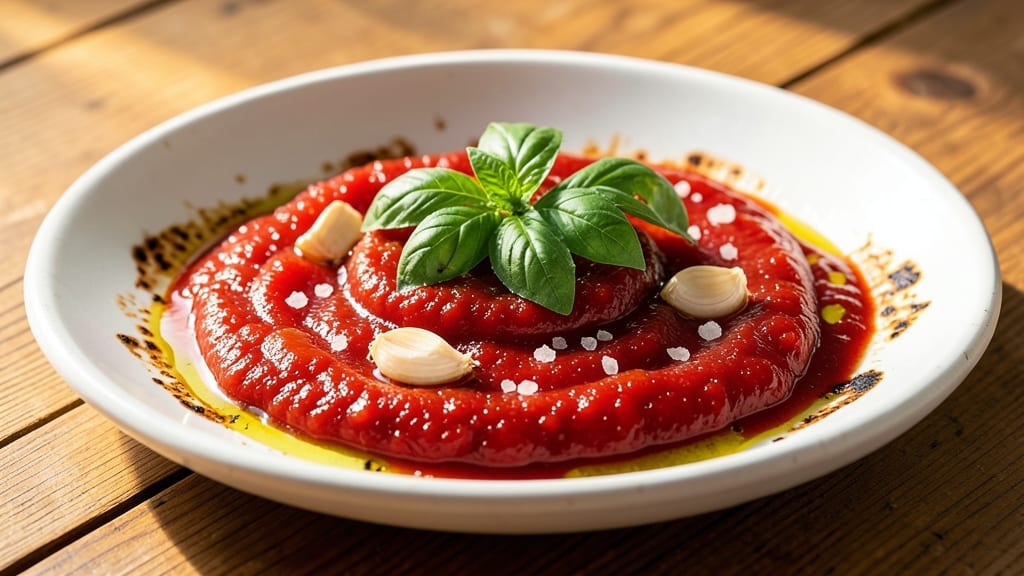
This authentic tomato sauce recipe from Italy captures the essence of sugo all’italiana—simmered until it’s velvety, sweet, and deeply flavorful, just like Nonna used to make.
The secret lies in San Marzano tomatoes, slow-cooked with garlic, olive oil, and fresh basil to create a sauce so good, it’ll make you question every jarred version you’ve ever bought. I’ve perfected this over years of testing, ensuring the balance of acidity and sweetness that defines Italian cooking.
The process is simpler than it sounds: you’ll start with a gentle sauté of garlic in olive oil, then add peeled tomatoes and a splash of water to create a rich, concentrated base. As it simmers, the flavors meld into something complex yet approachable—no blender required.
This isn’t just a sauce; it’s the foundation of Italian meals, transforming pasta, pizza, or even grilled meats into something extraordinary. The key is patience: let it cook low and slow until it’s thick enough to coat the back of a spoon.
What you’ll end up with is a sauce so vibrant it looks as good as it tastes—bright red, aromatic, and packed with layers of flavor. The San Marzano tomatoes lend natural sweetness, while the garlic and basil add depth.
This isn’t just a recipe; it’s a taste of Italy in your kitchen, one that’ll keep you coming back for more. Store it in the fridge for up to a week or freeze for months, so you always have a jar of homemade goodness on hand.
Ready to elevate your cooking? This sauce is the difference between good and unforgettable. Let’s get started—your taste buds will thank you.
Ingredients for authentic tomato sauce recipe from italy
Nine simple ingredients transform into Italy's most beloved sauce—rich, sweet, and full of flavor.
| Ingredient | Amount | Notes |
|---|---|---|
| San Marzano Tomatoes 🍅 | 28 oz | Whole, peeled, or crushed |
| Extra-Virgin Olive Oil 🫒 | ½ cup | High quality, fruity |
| Garlic Cloves 🧄 | 4 cloves | Fresh, peeled, minced |
| Fresh Basil Leaves 🌿 | ½ cup | Packed, stems removed |
| Dried Oregano 🍃 | 1 tsp | Italian variety preferred |
| Sea Salt 🧂 | 1 tsp | Diamond Crystal preferred |
| Black Pepper 🌶️ | ½ tsp | Freshly ground preferred |
| Red Wine Vinegar 🍷 | 1 tbsp | For acidity balance |
| Granulated Sugar 🍯 | 1 tsp | Adjust to taste |
San Marzano tomatoes are the heart of this sauce—look for the DOP label at Italian markets or specialty stores like Eataly. They're sweeter and less acidic than regular tomatoes, which makes all the difference. If you can't find them, whole peeled tomatoes from a can work in a pinch, but drain them well. The olive oil should be extra-virgin and fruity—none of that cheap bottled stuff. Fresh basil is ideal, but dried oregano at half the amount works if you're short on time. I always grab a big bunch of basil because half goes in the pot and half gets torn over the top for that restaurant-quality finish.
No red wine vinegar? White wine vinegar or lemon juice will do, but the color might be slightly off. Want to skip the sugar? Ripe tomatoes naturally sweeten as they cook, so just taste as you go. The garlic can be roasted for a sweeter flavor—toss whole cloves in olive oil at 400°F for 10 minutes before mincing. If you're making this ahead, freeze the sauce in ice cube trays for perfect portions later. The oregano is non-negotiable though—Italian oregano has a different flavor profile than Mexican, so grab it from the international aisle if you can.
This sauce tastes even better the next day as the flavors meld. Keeps 5-7 days in the fridge, covered with a splash of olive oil to preserve freshness. For long-term storage, freeze for up to 6 months. I always double the batch because it disappears faster than you'd think—perfect over pasta, drizzled on pizza, or spooned onto grilled chicken. The key is patience: let it simmer low and slow until it's thick enough to coat a spoon. That's when you know you've got it right.
Why You'll Love This Recipe
- No-Fuss Simplicity: I swear by this—just crush a few garlic cloves, toss in whole San Marzano tomatoes, and let the olive oil work its magic. No peeling, no blender, no stress. The tomatoes break down beautifully on their own while you sip wine and pretend you’re in a Tuscan kitchen.
- Sunshine in a Jar: That first spoonful? Pure Italian summer. The San Marzano tomatoes give it a natural sweetness, while the garlic and oregano add depth—like a slow-simmered hug. Fresh basil at the end? The finishing touch that makes you reach for seconds.
- Weeknight to Dinner Party: This sauce is my secret weapon for everything from quick pasta to Sunday suppers. Double the batch for lasagna, freeze half for lazy nights, or drizzle it over grilled chicken when unexpected guests show up. It’s the one sauce that does it all.
- Budget Magic: A single can of San Marzano tomatoes and a small jar of oregano stretch for weeks—I’ve got jars in my freezer from last summer’s harvest. No fancy ingredients, just pure, reliable flavor that costs pennies per serving. (Yes, even my broke-college-student self approves.)
Step-by-step instructions for authentic Italian tomato sauce
Here's how to create a rich, balanced sauce that captures true Italian flavor.
Prepare the Tomatoes for Cooking
If you're using whole San Marzano tomatoes, carefully cut them in half crosswise and remove the cores with a small spoon. You'll end up with about 28 ounces of prepared tomatoes. For crushed tomatoes, simply open the can and drain any excess liquid—but don't rinse away the flavorful juices.
Transfer the tomatoes to a large, heavy-bottomed saucepan. I like to use a Dutch oven for even heat distribution. Add the 0.5 cup extra-virgin olive oil and stir gently to coat the tomatoes. This creates a silky base and prevents the sauce from sticking. The oil should be warm but not hot—just enough to coat the tomatoes evenly.
Sauté Aromatics Until Fragrant
Place the saucepan over medium-low heat and let the tomatoes begin to break down slightly, about 5 minutes. This gentle start prevents the sauce from becoming bitter. When the tomatoes are just beginning to soften, add the 4 minced garlic cloves and 1 tsp dried oregano.
Stir constantly for 2-3 minutes until the garlic becomes fragrant but doesn't brown. The oregano will dissolve into the sauce, adding its earthy depth. Here's the thing—don't let the garlic burn. Burnt garlic makes the sauce taste bitter and harsh. If you notice any golden flecks, remove the pan from heat immediately and let it cool slightly before continuing.
Simmer the Sauce Until Thickened
Increase the heat to medium and bring the sauce to a gentle simmer. You'll see small bubbles forming around the edges but not a full boil. Add the 1 tsp sea salt, 0.5 tsp black pepper, and 1 tbsp red wine vinegar now. The vinegar brightens the flavors and balances the sweetness of the tomatoes.
Let the sauce simmer uncovered for 30-40 minutes, stirring occasionally. You're looking for a thick, glossy consistency where the sauce coats the back of a spoon. The tomatoes should break down completely, releasing their sweet juices. If the sauce gets too thick too quickly, add 2-3 tablespoons of water to maintain balance. The sugar will dissolve naturally during this time, enhancing the sweetness without making the sauce cloying.
Finish with Fresh Basil and Adjust Seasoning
When the sauce has thickened to your liking, reduce the heat to low and stir in the 0.5 cup fresh basil leaves. Let the sauce cook for another 5 minutes so the basil infuses completely. The leaves will soften and release their bright, aromatic flavors.
Taste the sauce and adjust the seasoning if needed. You might want to add a pinch more salt, a crack of black pepper, or even a touch more sugar if the tomatoes weren't particularly sweet. The sauce should be rich, balanced, and full of depth—not too sweet, not too tart, but perfectly harmonious. Remove the pan from heat and let the sauce rest for 10 minutes before serving.
Serve Warm with Your Favorite Pasta
This sauce is best served immediately over freshly cooked pasta like spaghetti or penne. The heat of the pasta will help meld all the flavors together. If you're not using it right away, store it in an airtight container in the refrigerator for up to 5 days or freeze for up to 3 months. When reheating, warm it gently on the stove over low heat, stirring occasionally, until hot through.
Here's the secret to authentic Italian tomato sauce: patience and balance. The slow simmering allows the flavors to develop fully, while the careful seasoning ensures each component shines without overpowering the others. This isn't just a sauce—it's the heart of Italian cooking.
Pro Tips For Making Authentic Tomato Sauce Recipe From Italy
- CRUSH GARLIC LOW AND SLOW: I learned this the hard way—tossing minced garlic into hot oil burns it instantly, leaving that bitter aftertaste. Instead, add whole peeled cloves to the olive oil before the tomatoes, then cook them at the lowest heat setting until they’re just fragrant and golden—not brown. Remove them before adding tomatoes, but leave the oil infused.
- SIMMER NOT BOIL THE TOMATOES: High heat destroys flavor and makes the sauce split. Once your San Marzano tomatoes hit the pot, keep the heat at a gentle simmer—tiny bubbles breaking the surface, but no rolling boil. If it’s too vigorous, the acidity will turn the sauce cloudy and dull.
- SALT THE TOMATOES FIRST: Dump those halved tomatoes into a bowl, sprinkle with a generous pinch of salt (about 1/2 teaspoon per pound), and let them sit 10 minutes. This draws out excess water, concentrates the flavor, and prevents a watery sauce later. (Yes, even if you’re impatient like me.)
- FINISH WITH COLD BASIL: Tossing in fresh basil leaves at the end of cooking is a waste—the heat will turn them bitter. Instead, strip the leaves from the stems, place them in an ice bath for 5 minutes to stop cooking, then add them to the sauce just before serving. The leaves stay bright, and the flavor pops.
Wine and beer pairings for this dish
Italian Wine Pairings
For this rich tomato sauce, I always reach for a Chianti Classico—specifically a Sangiovese from Tuscany. The wine’s bright acidity and cherry notes cut through the sauce’s natural sweetness, creating perfect balance.
Look for a 2019-2020 vintage from Castello di Volpaia or Antinori for quality you can taste. Serve slightly chilled to let the wine’s acidity refresh your palate between bites. 🍷
White Wine Alternatives
If you prefer white, a Vermentino from Sardinia shines here—its citrusy profile complements the basil’s brightness. I’ve also enjoyed a Fiano di Avellino from Campania, where the wine’s stone fruit flavors harmonize with the sauce’s sweetness. Avoid heavy whites like Chardonnay, which can overwhelm the delicate tomato notes.
Beer Pairings for Casual Meals
A crisp Italian lager like Peroni or Moretti works beautifully for a laid-back dinner. The beer’s clean finish won’t compete with the sauce’s depth. For craft beer lovers, try a Belgian witbier—the coriander and citrus notes add a refreshing contrast.
Just skip the IPAs; their hop bitterness clashes with the sauce’s sweetness.
Regional Italian Pairings
In Naples, this sauce pairs perfectly with a Lacryma Christi del Vesuvio—a volcanic wine with earthy undertones. For Sicilian meals, a Nero d’Avola adds bold fruitiness that stands up to the sauce’s richness.
I once paired it with a Pinot Noir from Alto Adige, and the results were surprisingly elegant. 🍷
Nutrition facts
Frequently asked questions
Why do Italian tomato sauces taste so different from store-bought?
Authentic Italian tomato sauce relies on San Marzano tomatoes, slow simmering, and fresh herbs like basil—none of the preservatives or thickeners in jarred versions. The key is patience: simmering for 30-40 minutes develops deep flavor, while store-bought sauces often use concentrated pastes for quick results. Fresh garlic and olive oil also make a huge difference!
Can I make this sauce without a Dutch oven?
Any heavy-bottomed pot works—even a stainless steel saucepan. The important part is medium-low heat to prevent burning. A wide, shallow pan helps the sauce reduce faster. If your pot is light (like aluminum), reduce the heat slightly to avoid scorching.
What's the best way to store leftover sauce?
For short-term storage, keep it in an airtight container in the fridge for up to 5-7 days, covered with a thin layer of olive oil to preserve freshness. For longer storage, freeze in ice cube trays (perfect for portion control!) or airtight containers for up to 6 months. Thaw overnight in the fridge before reheating gently.
Do I need to peel the tomatoes?
Only if you're using whole tomatoes—San Marzano canned tomatoes are already peeled. For fresh tomatoes, cut a shallow "X" on the bottom, blanch in boiling water for 30 seconds, then peel under cold water. The skins stay intact during cooking, adding texture. If you skip peeling, just remove any tough stems or seeds.
How do I fix a sauce that's too acidic?
Add a pinch of sugar or a splash of heavy cream to balance the acidity. For a quick fix, stir in 1 tsp honey or ½ tsp granulated sugar while warm. If it's too thick, thin with a little pasta water or water. The goal is harmony—taste as you go! The vinegar should enhance, not dominate, the tomato flavor.