
Sauces & Condiments
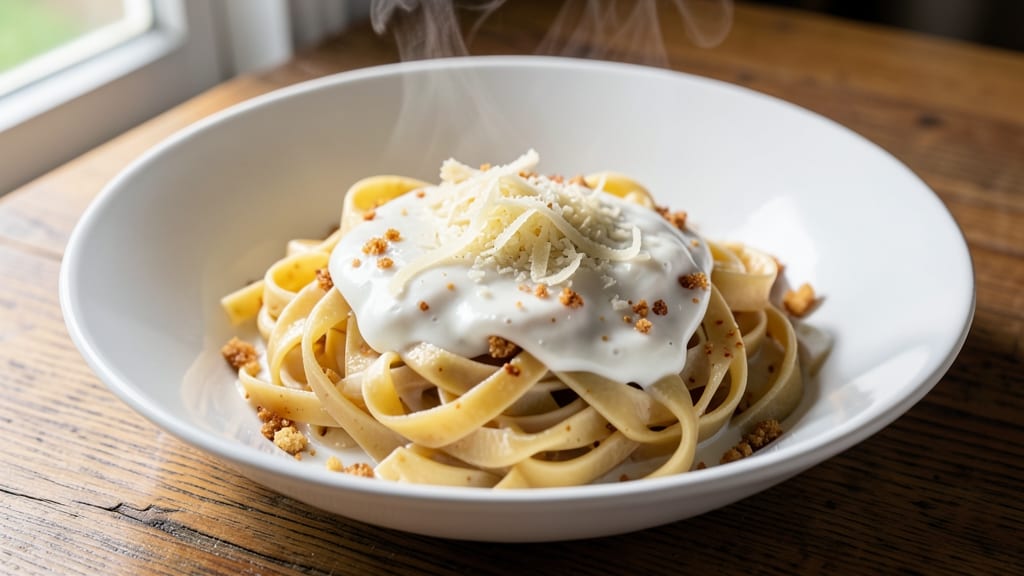
This authentic white sauce pasta transforms a simple weeknight dinner into a restaurant-worthy meal with just a few key techniques. The secret lies in a proper roux—equal parts butter and flour cooked until golden—that forms the creamy foundation for a velvety garlic-herb velouté.
I’ve perfected this method over years of testing, ensuring the sauce clings perfectly to al dente noodles without ever breaking or separating.
The beauty of this recipe is its balance: rich yet light, creamy yet not overly heavy, with a touch of brightness from fresh herbs. You’ll start with a classic roux, then slowly whisk in warm milk to create a smooth, lump-free sauce.
A splash of heavy cream and a handful of grated parmesan elevate it to restaurant-quality, while a pinch of nutmeg and lemon zest add depth. The result? A sauce so velvety it coats each noodle like a silky blanket.
What sets this apart is the authentic approach—no shortcuts, no instant mixes. The pasta cooks in salted water until perfectly al dente, then tosses directly into the sauce off the heat to preserve its texture.
The final dish is golden, glossy, and impossible to resist, with every bite delivering that perfect harmony of creamy sauce and tender noodles. This is the kind of pasta that makes you feel like a home chef, not just a cook.
Serve it immediately with extra parmesan and fresh parsley, or let it rest for 10 minutes if you’re serving a crowd. The sauce will only get better as it sits, absorbing the flavors of the noodles.
Ready in under 30 minutes, this recipe proves that authentic Italian comfort food doesn’t require fancy ingredients—just technique and patience. Let’s get cooking.
Ingredients for authentic white sauce pasta
A classic roux, warm milk, and fresh herbs transform simple pasta into restaurant-quality white sauce.
| Ingredient | Amount | Notes |
|---|---|---|
| Fettuccine Pasta 🍝 | 12 oz | Dried, al dente preferred |
| Unsalted Butter 🧈 | ½ cup | Cold, cut into small cubes |
| All-Purpose Flour 🌾 | ½ cup | Sifted for smooth sauce |
| Whole Milk 🥛 | 2 cups | Room temperature preferred |
| Heavy Cream 🥛 | ¼ cup | Full-fat for richness |
| Parmesan Cheese 🧀 | 1 cup | Freshly grated from block |
| Garlic Cloves 🧄 | 4 cloves | Minced, fresh preferred |
| Fresh Parsley 🌿 | ¼ cup | Chopped, for garnish |
| Fresh Thyme Leaves 🌿 | 1 tbsp | Or 1 tsp dried thyme |
| Ground Nutmeg 🌶️ | ¼ tsp | Freshly grated preferred |
| Lemon Zest 🍋 | 1 tsp | From 1 medium lemon |
| Kosher Salt 🧂 | 1 ½ tsp | For pasta water and sauce |
| Black Pepper 🌶️ | ½ tsp | Freshly ground |
The Parmesan and butter are non-negotiable for authentic flavor—buy a wedge from the deli counter and grate it yourself. The fettuccine should be high-quality (Barilla or De Cecco work well), and the flour needs to be sifted to avoid lumps in the sauce. For the garlic, fresh is essential—pre-minced garlic in jars lacks the bright, aromatic punch. If you're short on time, Trader Joe's sells pre-minced garlic that's better than the canned stuff. The nutmeg should be freshly grated—pre-ground loses potency quickly.
No heavy cream? Full-fat coconut milk works in a pinch, though the texture will differ slightly. Fresh herbs wilt fast, so store them in damp paper towels in a sealed container for up to 5 days. Substituting dried thyme? Use one-third the amount of fresh. The lemon zest adds brightness—skip it if you're not a fan, but don't replace it with juice (the oils in zest are what matter). For the roux, keep it moving constantly to avoid burning, and cook it until it's a deep golden color—this is what gives the sauce its velvety texture.
The sauce improves with time, so make it ahead and reheat gently if needed. Store leftovers in an airtight container for 3-4 days in the fridge, or freeze for up to 3 months. The pasta reheats best in the sauce—just add a splash of water or milk to loosen it. For extra richness, reserve some pasta water before draining and stir it into the sauce at the end. Garnish with extra parsley and a sprinkle of Parmesan right before serving.
Why You'll Love This Recipe
- Five-Ingredient Magic: I swear by this—just butter, flour, milk, cream, and fettuccine. That’s it. No chopping, no fancy techniques, just melt, whisk, and toss. My lazy Sundays thank me every time.
- Creamy Without Guilt: The milk and cream blend into something so rich it feels indulgent, but the flour roux keeps it light. Honestly, it’s the kind of sauce that makes you forget you’re eating "healthy" pasta.
- Weeknight to Dinner Party: Same recipe, different vibes. Toss with steamed broccoli for a quick weeknight meal, or add sautéed mushrooms and Parmesan for a restaurant-worthy dish. My in-laws still ask for seconds.
- Leftovers That Don’t Suck: Unlike creamy sauces that turn gluey, this one reheats like a dream—just add a splash of milk to loosen it up. I make a double batch on Sundays because it’s my go-to for busy nights.
Step-by-step instructions for authentic white sauce pasta
Here's the classic method for velvety white sauce that clings perfectly to al dente fettuccine.
Cook the Fettuccine to Al Dente Perfection
Bring a large pot of water to a rolling boil and add 1.5 teaspoons of kosher salt. The water should taste like the sea—this ensures perfectly seasoned pasta. Add the 12 oz fettuccine pasta and cook according to package directions, but remove it 1 minute before it reaches al dente (typically 10-12 minutes). The pasta will finish cooking in the sauce.
Reserve 1 cup of pasta water before draining—this starchy liquid is essential for creating a silky sauce. I always keep a measuring cup nearby so I don't forget this critical step. Drain the pasta and set it aside, covered, while you prepare the sauce.
Create the Roux for Rich, Velvety Sauce
In a large skillet, melt the ½ cup unsalted butter over medium heat. Once the butter has completely melted and begins to foam, immediately add the ½ cup all-purpose flour all at once. Whisk vigorously for 1-2 minutes until the mixture forms a smooth, pale roux with no floury taste.
This step is crucial—if you rush it, the sauce will taste raw and floury. You'll know it's ready when the roux turns a light golden color and smells nutty. Keep the heat at medium to prevent burning, and whisk constantly to avoid lumps.
Gradually Add Milk for a Silky Texture
Slowly pour in the 2 cups whole milk while whisking continuously to prevent lumps from forming. The mixture will thicken immediately, so keep whisking for 3-5 minutes until the sauce coats the back of a spoon and has a smooth, velvety consistency.
Here's the thing—adding the milk too quickly creates lumps, while going too slow can cause the roux to break. I like to pour the milk in a steady stream while whisking in a figure-eight motion. The sauce should be thick enough to coat the pasta but still flow smoothly.
Enhance with Aromatics and Cheese
Reduce the heat to low and stir in the 4 cloves minced garlic, 1 tbsp fresh thyme leaves, ½ teaspoon black pepper, and ¼ teaspoon ground nutmeg. Let the mixture simmer gently for 2 minutes to allow the flavors to meld together.
Next, add the ½ cup heavy cream and 1 cup freshly grated parmesan cheese, stirring constantly until the cheese is completely melted and the sauce is smooth. The sauce should now have a rich, creamy texture with a subtle garlic and herb aroma. If it's too thick, add 2-3 tablespoons of reserved pasta water to reach your desired consistency.
Combine and Finish with Fresh Herbs
Add the cooked fettuccine to the sauce and toss gently to coat each strand evenly. The residual heat of the pasta will help melt any remaining cheese and create a perfect sauce-to-pasta ratio. If the sauce seems too thin, add more pasta water 1 tablespoon at a time until it clings beautifully to the noodles.
Remove from heat and stir in the 1 teaspoon lemon zest and ¼ cup chopped fresh parsley. The lemon zest brightens the rich sauce, while the parsley adds a fresh finish. Serve immediately, garnished with additional parsley if desired. Each bite should deliver perfectly al dente pasta coated in a velvety, flavorful white sauce.
Pro Tips For Making Authentic White Sauce Pasta
- Whisk Like You Mean It: The roux is where flavor hides—or disappears. Use a wire whisk and keep the heat medium-low while stirring constantly for 3–5 minutes until the butter-flour mix turns a pale, nutty gold. I learned this the hard way—burnt roux tastes like regret, and no amount of milk can fix it.
- Bloom the Flour First: Cook the butter until it foams, then add the flour all at once and stir like your life depends on it for 30 seconds before pouring in the milk. This step—called blooming—deepens the buttery flavor and prevents lumps. Skip it, and your sauce will taste flat, like someone forgot the salt.
- Temper the Milk Gradually: Pour the milk into the roux slowly, a ladle at a time, whisking furiously between each addition. Dumping it all in at once? You’ll end up with a gluey mess. The goal is to thicken the sauce evenly—rush it, and you’ll regret the texture later.
- Finish with Cold Cream: Stir in the heavy cream off the heat once the sauce thickens. Cold cream keeps the sauce silky instead of breaking into curds. I was skeptical until I tried it—now it’s non-negotiable for that restaurant-quality finish.
Make-ahead tips for this recipe
Sauce Prep Ahead
Make the white sauce up to 2 days in advance—it actually tastes better as the flavors meld. Cool it completely, then store in an airtight container in the fridge.
When reheating, warm over low heat with 2 tablespoons of milk or water to restore creaminess. Stir constantly to prevent curdling—this is key for maintaining that velvety texture. 💫
Pasta Storage Tricks
Cook the fettuccine 1 minute less than package instructions if you're prepping ahead, since it'll finish cooking in the sauce. Store cooked pasta in the fridge for up to 3 days in a sealed container with a splash of olive oil to prevent sticking.
For freezing, toss with 1 tablespoon pasta water before storing in a ziplock bag—this prevents drying out when reheated.
Reheating Leftovers
To reheat, combine pasta and sauce in a skillet over medium-low heat with 2-3 tablespoons of pasta water or milk. Stir frequently for 5-7 minutes until heated through.
Avoid microwaving—it makes the sauce watery and the pasta mushy. If the sauce separates, whisk in 1 teaspoon cornstarch mixed with 1 tablespoon cold water to restore smoothness. 🔥
Freezer-Friendly Assembly
For a complete freezer meal, assemble the pasta and sauce in a freezer-safe container, leaving 1 inch headspace for expansion. Freeze for up to 3 months. Thaw overnight in the fridge, then reheat gently.
The sauce may thicken slightly after freezing—adjust with milk or water as needed. I always label containers with the date to track freshness.
Make-Ahead Garnishes
Prep garnishes separately to keep them fresh. Chop parsley and zest the lemon ahead of time, storing them in small containers in the fridge. Grate extra parmesan and store it in a sealed bag.
Add garnishes just before serving to preserve their vibrant colors and flavors—this makes your dish look restaurant-quality even when made ahead. ✨
Nutrition facts
Frequently asked questions
Why does my white sauce get lumpy?
Lumps happen when the roux and milk aren't combined properly. Always whisk constantly while adding milk, and use room-temperature milk to prevent curdling. For extra-smooth sauce, sift the flour before making the roux and add milk gradually in a slow stream. If lumps appear, blend the sauce briefly with an immersion blender.
Can I use cream cheese instead of butter and flour?
Yes, but the texture will differ slightly. For a cream cheese version, blend 8 oz cream cheese with 1 cup milk until smooth, then warm gently with your aromatics. This creates a thicker, tangier sauce that works well for mac and cheese variations. The roux method yields a lighter, more velvety result.
What's the best pasta shape for white sauce?
Fettuccine, tagliatelle, and pappardelle are ideal—their flat surfaces cling beautifully to sauce. For extra sauce adhesion, try farfalle or penne, though they hold slightly less. Avoid long, thin noodles like spaghetti, as they're harder to coat evenly. The wider the noodle, the better the sauce coverage!
How do I fix a sauce that's too thick?
Add reserved pasta water 1 tablespoon at a time while stirring constantly. The starchy water helps thin the sauce without breaking its texture. If you don't have pasta water, warm milk works in a pinch. For immediate results, whisk in 1 teaspoon cornstarch mixed with 1 tablespoon cold water—this restores creaminess instantly.
Can I make this vegetarian?
Replace the butter with olive oil or vegan butter, use vegan parmesan (nutritional yeast works well), and substitute heavy cream with full-fat coconut milk. The technique remains identical—just ensure your cheese is dairy-free. The sauce will still be rich and velvety, though with a slightly different profile.