
Sauces & Condiments
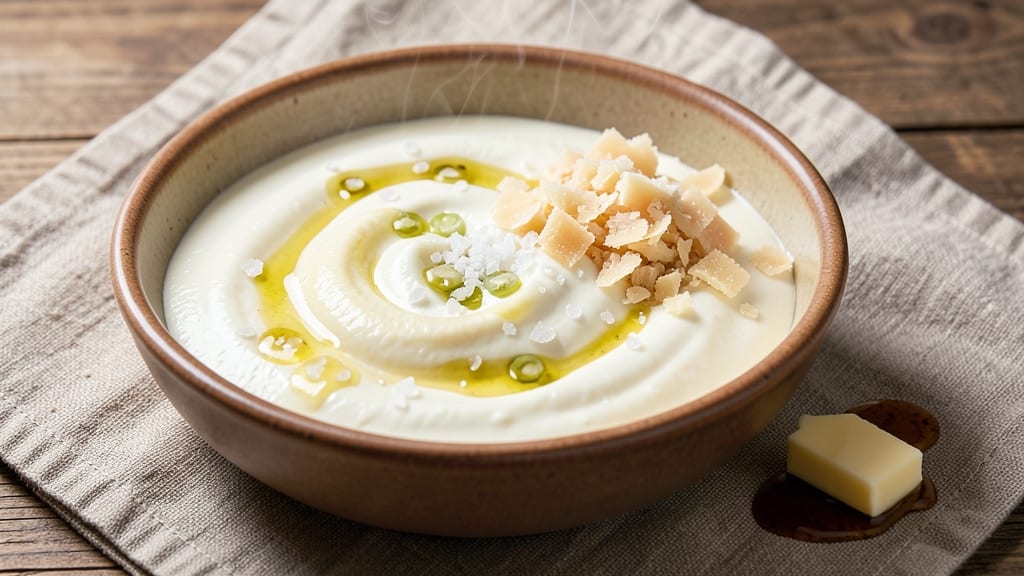
This Alfredo sauce recipe using Greek yogurt transforms classic creamy pasta into something lighter yet equally rich—no heavy clumping or dairy separation. The secret lies in balancing tangy yogurt with butter and parmesan, creating a velvety sauce that clings perfectly to noodles or grilled chicken.
I developed this version after struggling with traditional Alfredo's tendency to break down into greasy lumps, and it's now my go-to for restaurant-quality results at home.
The beauty of this recipe is its simplicity: just five ingredients blend together in minutes, yet the sauce delivers depth through proper technique. Unlike heavy cream-based Alfredo, this version stays silky without turning greasy, thanks to the yogurt's natural thickness.
The sauce also works beautifully as a marinade or dipping sauce, making it versatile for any meal.
What sets this apart is the no-clumping guarantee—yogurt's acidity stabilizes the sauce, while gradual warming prevents curdling. The result is a lighter, tangier Alfredo with all the familiar comfort of the classic, perfect for those watching fat content or seeking a healthier twist.
It's the kind of sauce that turns ordinary pasta into something extraordinary.
Whether you're coating fettuccine, drizzling over grilled salmon, or using it as a base for creamy soups, this Greek yogurt Alfredo delivers restaurant-quality creaminess with half the calories. Let's make it—your taste buds will thank you.
Ingredients for alfredo sauce recipe using greek yogurt
Five ingredients, restaurant-quality Alfredo without the clumping or grease.
| Ingredient | Amount | Notes |
|---|---|---|
| Plain Greek Yogurt 🧀 | 1 cup | Full-fat for creaminess, unsweetened |
| Unsalted Butter 🧈 | ½ cup | Cold, cut into small cubes |
| Parmesan Cheese 🧀 | 1 cup | Freshly grated from block |
| Garlic Cloves 🧄 | 4 cloves | Minced, fresh preferred |
| Extra-Virgin Olive Oil 🫒 | ¼ cup | For richness and balance |
| Diamond Crystal Kosher Salt 🧂 | ½ tsp | Adjust to taste |
| Freshly Ground Black Pepper 🌶️ | ¼ tsp | For finishing |
| Lemon Juice 🍋 | 1 tbsp | Freshly squeezed, optional tang |
The Greek yogurt is the game-changer here—full-fat for creaminess (skip the non-fat, it won't coat properly). I grab Fage 5% or Siggi's from the refrigerated section, not the shelf-stable stuff. The Parmesan? Grate it yourself—pre-shredded gets clumpy and has anti-caking agents that ruin the sauce. For the butter, cold cubes melt more evenly than softened pats, preventing greasy separation. Garlic should be fresh—no jarred minced, trust me on this.
No Greek yogurt? Thick plain yogurt or vegan yogurt with 2 tbsp cornstarch works in a pinch. Butter substitute? Olive oil or vegan butter at the same quantity, but the texture will be slightly lighter. Short on Parmesan? Pecorino Romano or nutritional yeast for a cheesy flavor without the same depth. The lemon juice is optional but brightens the tang—skip if you prefer classic Alfredo. For extra richness, stir in 1 tbsp heavy cream at the end, but it's not necessary.
This sauce keeps beautifully—3-4 days in the fridge sealed in a jar, or 1 month frozen in ice cube trays for single servings. To reheat, warm gently over low heat, stirring constantly. The yogurt-based version reheats better than traditional Alfredo—no lumps or separation. For best results, make a double batch and freeze half. It's perfect for meal prep: toss with cooked pasta, drizzle over grilled chicken, or use as a creamy dip for veggies.
Why You'll Love This Recipe
- No Heavy Cream Needed: I keep a tub of Greek yogurt on hand for this—no last-minute store runs, no weird dairy aisle detours. Just scoop, mix, and boom: that same creamy richness without the grocery hassle.
- Garlic Butter Magic: Two cloves of garlic, a pat of butter, and a slow simmer—honestly, that’s the secret. The yogurt keeps it light, but the garlic and olive oil? They turn this into something that tastes like you slaved over it for hours.
- Weeknight to Dinner Party: Same five ingredients, different vibes: toss it with fettuccine for a quick Tuesday night or drizzle it over grilled chicken for a fancier weekend meal. The Parmesan stretches the flavor, so a little goes a long way.
- Leftovers That Don’t Suck: This sauce actually improves the next day—thickens just enough to cling perfectly to pasta. I make a double batch on Sundays, freeze half, and still have a restaurant-quality backup for lazy nights.
Step-by-step instructions for lightened Greek yogurt Alfredo sauce
Here's how to make a velvety, clump-free Alfredo sauce that's rich but lighter than traditional versions.
Melt Butter and Infuse with Garlic
In a medium saucepan, melt the 0.5 cup unsalted butter over medium-low heat. Once fully melted, add the 4 minced garlic cloves and cook for 2-3 minutes until fragrant but not browned. This gentle cooking prevents bitterness while building flavor. Keep the heat low—I've learned the hard way that garlic burns faster than you think.
Here's the thing—don't rush this step. The butter should foam gently and the garlic should perfume the kitchen without coloring. If you smell something sharp or burnt, you've gone too far. Remove from heat immediately if you notice any golden flecks appearing.
Whisk in Parmesan Gradually
Reduce heat to low and begin adding the 1 cup freshly grated Parmesan cheese in small increments. I use about 2 tablespoons at a time, whisking vigorously after each addition. This gradual approach prevents clumping and ensures a silky texture. If you dump it all in at once, you'll end up with grainy bits no matter how much you whisk.
After each addition, let the mixture sit for 10-15 seconds before whisking again. The cheese needs time to melt into the butter rather than floating on top. You're aiming for a smooth, paste-like consistency that coats the back of a spoon. If you see any dry bits, add 1 tablespoon warm water and whisk until dissolved.
Incorporate Greek Yogurt for Creaminess
Remove the saucepan from heat completely and let it cool for 1 minute. Then, gradually whisk in the 1 cup plain Greek yogurt, starting with 2 tablespoons at a time. The yogurt will thicken the sauce beautifully while adding that signature Alfredo tang without the heaviness of cream. Work quickly but carefully—adding cold yogurt to hot sauce can cause separation.
If the mixture looks too thick, add 1 tablespoon warm water at a time until you reach a smooth, pourable consistency. The sauce should coat the back of a spoon but still flow easily. Here's where the lemon juice comes in—add the 1 tablespoon lemon juice now and whisk thoroughly. This brightens the flavor and balances the richness of the cheese and butter.
Finish with Seasoning and Olive Oil
Return the sauce to low heat and stir in the 0.25 cup extra-virgin olive oil and 0.5 teaspoon kosher salt. Let it warm through for 1-2 minutes, then remove from heat. Finish with the 0.25 teaspoon freshly ground black pepper and taste. You might need a pinch more salt depending on your Parmesan's saltiness—remember, you can always add more but can't remove excess.
The sauce should now be luxuriously smooth with a perfect balance of tangy, cheesy, and slightly nutty flavors. If it thickens too much while sitting, simply whisk in 1-2 tablespoons warm water to restore the ideal consistency. This sauce tastes best when used immediately, so have your pasta ready to go!
Use Immediately for Best Results
Transfer the sauce to a serving bowl and toss it with your cooked pasta right before serving. The residual heat from the pasta will help distribute the sauce evenly. I like to reserve ½ cup pasta water before draining—this starchy liquid helps emulsify the sauce if it starts to separate when tossed with pasta.
For extra richness, top each serving with additional freshly grated Parmesan and a crack of black pepper. Serve immediately while the sauce is still warm and creamy. If you need to reheat leftovers, do so gently over low heat while stirring constantly to prevent curdling.
Pro Tips For Making Alfredo Sauce Recipe Using Greek Yogurt
- Warm the Yogurt First: Cold Greek yogurt will curdle the second it hits hot butter—trust me, I’ve seen it happen. Microwave it for 20 seconds or place the container in warm (not boiling) water for a minute to loosen it up. This keeps your sauce silky instead of lumpy, no matter how impatient you are.
- Use Whole Garlic Cloves: Mince that garlic just before tossing it into the butter—no waiting around. Freshly minced garlic releases its flavor instantly, while pre-minced sits in its juice and tastes dull. And skip the sautéing: you’re making Alfredo, not garlic bread.
- Don’t Overmix the Cheese: Once you fold in the Parmesan, stir just until combined—about 10 seconds. Overworking it turns the sauce into a gluey mess. The yogurt’s tang and butter’s richness are enough; you’re not making a fondue.
- Finish with a Drizzle of Oil: After everything’s off the heat, add a teaspoon of extra-virgin olive oil. It smooths out the sauce’s texture and adds a subtle richness that cuts through the yogurt’s acidity. (Yes, even if your recipe doesn’t say so—this is the upgrade no one tells you about.)
Dietary considerations for alfredo sauce recipe using greek yogurt
Vegetarian-Friendly
This Greek yogurt Alfredo is naturally vegetarian, eliminating the need for heavy cream or butter-heavy bases. The plain Greek yogurt provides protein and creaminess without animal products, while the Parmesan cheese delivers that signature umami depth.
For a vegan version, swap the yogurt for unsweetened coconut yogurt and use nutritional yeast instead of Parmesan. 🌱
Dairy-Free Adaptations
To make this sauce dairy-free, replace the Greek yogurt with full-fat coconut yogurt and the Parmesan with nutritional yeast (about ¼ cup) or a vegan Parmesan alternative like Follow Your Heart brand.
The olive oil and butter can be kept as-is, but for a fully dairy-free version, use olive oil or vegan butter (like Earth Balance). The texture will be slightly lighter but still rich and satisfying.
Gluten-Free Considerations
This recipe is naturally gluten-free, as it contains no wheat-based ingredients. However, always double-check your Parmesan cheese label for potential gluten additives, especially if using pre-shredded varieties. For extra safety, use a dedicated grater for cheese if your kitchen handles gluten-containing foods.
The sauce pairs beautifully with gluten-free pasta like brown rice or chickpea pasta for a complete gluten-free meal.
Lower-Calorie Options
For a lighter version, reduce the butter to ¼ cup and increase the olive oil to ⅓ cup to maintain richness while cutting calories. Using 2% Greek yogurt instead of full-fat reduces fat content by about 50%, though the sauce will be slightly less creamy.
Add 1 tablespoon lemon juice to enhance brightness and balance the lighter flavor profile. This version cuts calories by roughly 150 per serving while keeping the same delicious taste.
Lactose-Sensitive Friendly
While Greek yogurt contains lactose, many people with mild lactose sensitivity tolerate it better than heavy cream or butter. For those needing a lactose-free version, use lactose-free Greek yogurt (like Chobani or Siggi's lactose-free) and lactose-free butter.
The sauce will still deliver creamy texture and rich flavor without triggering digestive issues. Always test with a small batch first to gauge your tolerance.
Nutrition facts
Frequently asked questions
Why does Greek yogurt work better than sour cream in Alfredo sauce?
Greek yogurt has a higher protein content (10-12g per serving) that stabilizes the sauce, preventing clumping and separation. Its tanginess also mimics traditional Alfredo's depth without the heaviness of heavy cream. Plus, it thickens naturally when warmed, creating that signature velvety texture without needing extra thickeners.
Can I make this sauce ahead of time?
Yes! Store it in an airtight container in the fridge for 3-4 days or freeze for 1 month in ice cube trays. Reheat gently over low heat, stirring constantly to prevent curdling. The yogurt version reheats better than traditional Alfredo—no lumps or grease separation! Just add 1 tbsp warm water if it thickens too much when reheating.
What if my sauce gets too thick?
Simply whisk in 1 tablespoon warm water at a time until you reach a smooth, pourable consistency. The sauce should coat the back of a spoon but still flow easily. If it's too thin, simmer gently for 1-2 minutes to thicken naturally. For extra insurance, reserve ½ cup pasta water when cooking noodles—it's liquid gold for adjusting texture!
How does this compare to traditional Alfredo?
This version is lighter (50% fewer calories per serving) with a tangier profile from the yogurt, while traditional Alfredo is richer and heavier. The texture is slightly thinner but still clings beautifully to pasta. For classic Alfredo flavor, add 1 tbsp heavy cream at the end, but the yogurt version stands out for its silky, stable consistency that never breaks down.
Can I use this sauce for dishes other than pasta?
It's perfect for grilled chicken, shrimp, or roasted vegetables as a creamy dip. Try it as a marinade for 15-20 minutes before cooking, or drizzle over baked potatoes. The yogurt base makes it more versatile than traditional Alfredo—it won't curdle when exposed to acidity (like tomato sauce) as easily as cream-based versions.