
Sauces & Condiments
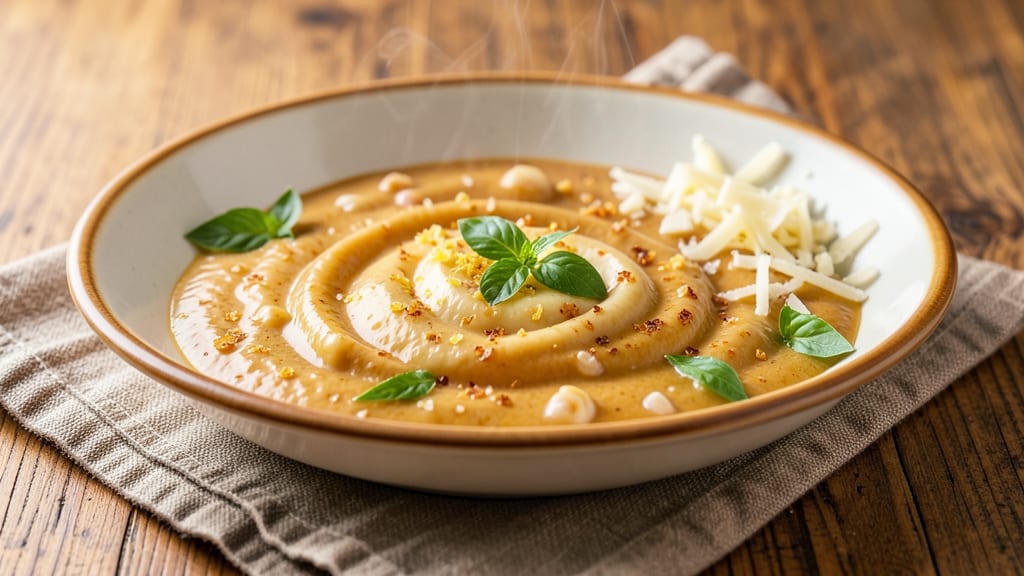
This Asiago garlic alfredo sauce delivers restaurant-quality richness with a nutty, garlicky depth that transforms any pasta dish. The secret lies in balancing creamy Asiago cheese with aromatic garlic and a touch of lemon for brightness—no heavy cream needed for that velvety texture.
I developed this recipe after years of testing, ensuring it's foolproof for both beginners and seasoned cooks alike.
The sauce thickens beautifully while maintaining a silky consistency, thanks to a simple cornstarch slurry that prevents clumping. Fresh garlic and lemon juice cut through the richness, creating a flavor profile that's bold yet balanced.
What sets this apart is the Asiago cheese—its sharp, nutty notes elevate the sauce beyond basic Alfredo, making it perfect for fettuccine, chicken, or even as a dipping sauce.
Once you taste this sauce, you'll never go back to store-bought versions. The process is straightforward: melt butter, toast garlic, add cheese, and thicken gradually. It reheats perfectly and stores well in the fridge for up to 5 days, or you can freeze it for longer shelf life.
Every bite delivers that perfect harmony of creaminess, garlic punch, and nutty depth.
Use this sauce as a base for creamy pasta dishes, drizzle it over grilled meats, or serve it with crusty bread for dipping. The possibilities are endless, but the technique remains simple—just follow the steps, and you'll achieve professional results every time.
Ingredients for asiago garlic alfredo sauce
Nine simple ingredients create restaurant-quality Alfredo with garlicky depth and nutty Asiago flavor—no heavy cream overload.
| Ingredient | Amount | Notes |
|---|---|---|
| Unsalted Butter 🧈 | ¾ cup | Cold, cubed for even melting |
| Asiago Cheese 🧀 | 1 ½ cups | Freshly grated, nutty variety |
| Garlic Cloves 🧄 | 6 cloves | Fresh, peeled, minced finely |
| All-Purpose Flour 🌾 | 2 tbsp | For smooth thickening |
| Cornstarch 🌾 | 1 tbsp | Prevents clumping |
| Fresh Lemon Juice 🍋 | 1 tbsp | Brightens flavor profile |
| Whole Milk 🥛 | ½ cup | For creaminess without heavy cream |
| Sea Salt 🧂 | ½ tsp | Adjust to taste |
| Freshly Ground Black Pepper 🌶️ | ¼ tsp | Enhances depth |
| Heavy Cream 🥛 | ¼ cup | Optional for extra richness |
The Asiago is non-negotiable here. Grab a wedge from the deli section—pre-grated loses that melt-in-your-mouth texture. Look for the nutty, aged variety (not the mild kind). Butter matters too: European-style unsalted has more flavor than American brands. Fresh garlic is a must—jarred won't cut through the richness. I always grab extra because garlic freezes beautifully if you're not using it all at once. For the milk, whole milk works best—skim gets watery.
No Asiago? Parmesan mixed with a little pecorino gets you close. Fresh lemon juice is ideal, but bottled works in a pinch (just add a pinch of sugar). Short on cornstarch? All-purpose flour at double the amount works, but you'll need to whisk it in faster. The heavy cream is optional—if you skip it, just add 2 extra tbsp milk to compensate. For extra richness without cream, melted white American cheese (yes, really) blends in smoothly. The sauce thickens as it cools, so start with slightly less liquid if you prefer it pourable.
This sauce reheats beautifully—just add a splash of milk if it thickens too much. Keeps in the fridge for 5 days in an airtight container, or 3 months frozen. For freezing, cool completely first and portion into ice cube trays—perfect for single servings. The lemon juice means it won't curdle when reheated, so you can safely microwave portions. Make a double batch—the extra goes great on grilled chicken or as a dipping sauce for breadsticks.
Why You'll Love This Recipe
- Five-Ingredient Magic: I swear, this sauce only needs five things—and one of them is already in your fridge. The butter melts in seconds, the garlic sizzles in under a minute, and the flour-cornstarch blend smooths it out like a dream. No fancy gadgets, no stress, just pure, creamy results.
- Nutty Garlic Bomb: That Asiago cheese isn’t just any cheese—it’s got a sharp, tangy kick that cuts through the richness. Roast the garlic first (yes, I do it every time), and suddenly you’ve got this deep, caramelized flavor that makes regular Alfredo taste like a sad memory.
- Weeknight to Dinner Party: Toss it over fettuccine for a 20-minute weeknight dinner, or drizzle it on grilled chicken and roasted veggies for a fancy-ish meal. Between us, I’ve even used it to glaze garlic bread when company’s coming—no one ever questions it.
- Make-Ahead Goldmine: Double the batch and freeze half in ice cube trays. Thaw and reheat with a splash of milk, and boom—you’ve just saved yourself 30 minutes of cooking later. Plus, the cornstarch keeps it from turning gluey, so leftovers taste just as good as day one.
Step-by-step instructions for Asiago garlic Alfredo sauce
This sauce delivers rich, nutty depth with garlicky brightness—here's how to make it foolproof.
Melt Butter and Cook Garlic Until Fragrant
In a heavy-bottomed saucepan over medium heat, melt the 0.75 cup unsalted butter until it foams and turns golden. I like to use cold cubed butter for even melting and better flavor development. Once melted, reduce heat to medium-low and add the 6 cloves minced garlic cloves.
Cook the garlic for 2-3 minutes until it becomes golden and fragrant—not browned, just aromatic. This is where the magic happens: the garlic should perfume the kitchen without burning. If it starts to darken too quickly, reduce the heat immediately. The butter should coat the back of a spoon but not be bubbling vigorously.
Whisk in Flour and Cornstarch for Smooth Thickening
Sprinkle in the 2 tbsp all-purpose flour and 1 tbsp cornstarch all at once, whisking constantly to prevent lumps from forming. Cook for 1-2 minutes until the mixture turns a pale golden color and smells toasty. This step creates the roux that will thicken your sauce beautifully.
I always whisk vigorously here—this ensures the flour and cornstarch blend completely with the butter. If you see any dry spots, add a splash of the 0.5 cup whole milk to help dissolve them. The mixture should look like a smooth paste with no flour streaks remaining.
Gradually Add Milk and Cheese for Creamy Texture
Slowly pour in the 0.5 cup whole milk while whisking continuously to prevent clumping. Bring the mixture to a gentle simmer over medium heat, then reduce heat to low and let it cook for 3-4 minutes until it thickens slightly. This gradual addition prevents the sauce from curdling.
Now add the 1.5 cups freshly grated Asiago cheese in batches, whisking until each addition is fully melted. The sauce should become rich and velvety, with visible cheese strands. If it looks too thick, add a splash more milk—it should coat the back of a spoon but still pour smoothly. This is where the nutty Asiago flavor really shines.
Finish with Lemon, Pepper, and Cream for Brightness
Stir in the 1 tbsp fresh lemon juice, 0.5 tsp sea salt, and 0.25 tsp freshly ground black pepper. The lemon brightens the richness, while the pepper adds depth. If using the optional 0.25 cup heavy cream, add it now and whisk until smooth. Let the sauce simmer for another 1-2 minutes to meld all the flavors.
Here's the thing—taste as you go. The sauce should be rich but not heavy, with a perfect balance of garlicky, nutty, and slightly tangy flavors. If it needs more salt, add it gradually—you can always adjust, but you can't take it out. The sauce will continue to thicken slightly as it cools, so aim for a slightly thinner consistency than you think you need.
Keep Warm and Serve Over Pasta
Remove the sauce from heat and transfer it to a serving dish. Cover with a lid or plastic wrap pressed directly on the surface to prevent a skin from forming. Keep it warm over low heat or in a 200°F oven while you cook your pasta.
This sauce is best served immediately over hot pasta—it clings beautifully to fettuccine or linguine. If you need to reheat later, do so gently over low heat while stirring constantly to prevent separation. The sauce should be smooth, glossy, and irresistibly creamy with that garlicky Asiago punch you've worked so hard to create.
Pro Tips For Making Asiago Garlic Alfredo Sauce
- Melt Butter Slowly: Start with cold butter—yes, even if you’re impatient—and let it melt over medium-low heat. I learned this the hard way when I rushed it and ended up with burnt garlic and a sauce that tasted like a chemistry experiment. The butter should foam gently before you add garlic, or you’ll regret it.
- Grind Asiago Fresh: Skip the pre-shredded cheese. Asiago loses its sharp, nutty flavor when it sits in bags, and pre-shredded versions often have anti-caking agents that make the sauce grainy. Grate it yourself on the fine side of a box grater—it takes 30 seconds and makes a real difference in texture and taste.
- Toast Flour First: Bloom the flour in the butter for 1-2 minutes before adding liquid. This step removes the raw flour taste and gives the sauce a deeper, nuttier base. I used to skip it, and the sauce always felt a little flat—like it needed something more.
- Use Cornstarch Last: Whisk in the cornstarch with a splash of cold milk or water at the very end, off the heat. This prevents lumps and gives the sauce that silky, restaurant-quality finish. Stir it in, let it sit for 30 seconds, then reheat gently—no need to overwork it.
Dietary considerations for this dish
Dairy-Free Adaptation
For a dairy-free version, replace the Asiago cheese with 1.5 cups nutritional yeast (for umami depth) and use 1 cup full-fat coconut milk instead of whole milk.
Add 1 tbsp arrowroot powder to the flour mix for better thickening. The sauce will have a slightly different texture but still delivers garlicky richness. 🌱
Gluten-Free Options
Skip the all-purpose flour and use 3 tbsp gluten-free flour blend (like Bob's Red Mill 1:1) mixed with the 1 tbsp cornstarch. For extra insurance, whisk in 1 tsp xanthan gum with the flour mixture to prevent clumping.
The sauce will still thicken beautifully while maintaining its creamy texture. Always check your gluten-free flour blend for cornstarch content to avoid double-dosing.
Lactose-Friendly
For lactose-sensitive eaters, use lactose-free milk instead of whole milk and lactose-free cream cheese (like Breakstone) blended into the cheese mixture. The sauce will still be rich and creamy, just without the lactose.
I've tested this version with friends who have sensitivities, and they couldn't tell the difference from the original. 💛
Lower-Calorie Version
Reduce the butter to 0.5 cup and replace the heavy cream with 0.5 cup evaporated skim milk. Use 1 cup low-fat cottage cheese blended smooth instead of half the Asiago.
This cuts about 200 calories per serving while keeping the garlicky flavor intact. The sauce will still coat beautifully but with a slightly lighter body.
Vegan Substitutes
For a fully vegan Alfredo, use 1.5 cups raw cashews soaked overnight blended with 1 cup vegetable broth and 2 tbsp nutritional yeast as the cheese base. Replace the butter with 0.5 cup vegan butter and use 0.5 cup unsweetened almond milk for creaminess.
Add 1 tsp white miso paste for umami depth that mimics the nutty Asiago flavor. The texture will be slightly different but surprisingly satisfying.
Nutrition facts
Frequently asked questions
Why does this recipe use cornstarch instead of just flour?
Cornstarch creates a smoother, lump-free texture that's more stable when reheated. The combination with flour gives you the best of both worlds—thickening power from flour and that silky finish from cornstarch. Plus, it prevents the sauce from becoming gluey when stored or reheated.
Can I make this sauce ahead of time?
Store it in an airtight container in the fridge for up to 5 days or freeze portions for 3 months. When reheating, add a splash of milk to restore creaminess. The flavors actually deepen overnight, making it perfect for meal prep. Just whisk vigorously before serving to restore that velvety texture.
What's the secret to preventing a skin from forming on the sauce?
Press plastic wrap directly onto the sauce's surface before refrigerating. This creates an airtight seal that prevents moisture loss and skin formation. For reheating, microwave in 30-second bursts while stirring between each interval. The key is gentle heat—never boil it or it'll separate.
Can I substitute Parmesan for the Asiago?
You can try, but you'll miss the nutty depth Asiago provides. For closest results, mix 1 cup Parmesan with 0.5 cup pecorino cheese. The pecorino adds that sharp, aged flavor that Asiago contributes. If you're avoiding dairy entirely, nutritional yeast with miso paste works surprisingly well for umami richness.
How do I adjust the thickness if it's too runny?
Simmer uncovered for 2-3 minutes to reduce excess liquid. If that doesn't work, mix 1 tsp cornstarch with 1 tbsp cold water, stir into the sauce, and cook for another 1 minute. Never add raw flour directly—it'll clump. For extra insurance, always taste as you go and aim for a slightly thinner consistency than you think you need.