
Sauces & Condiments
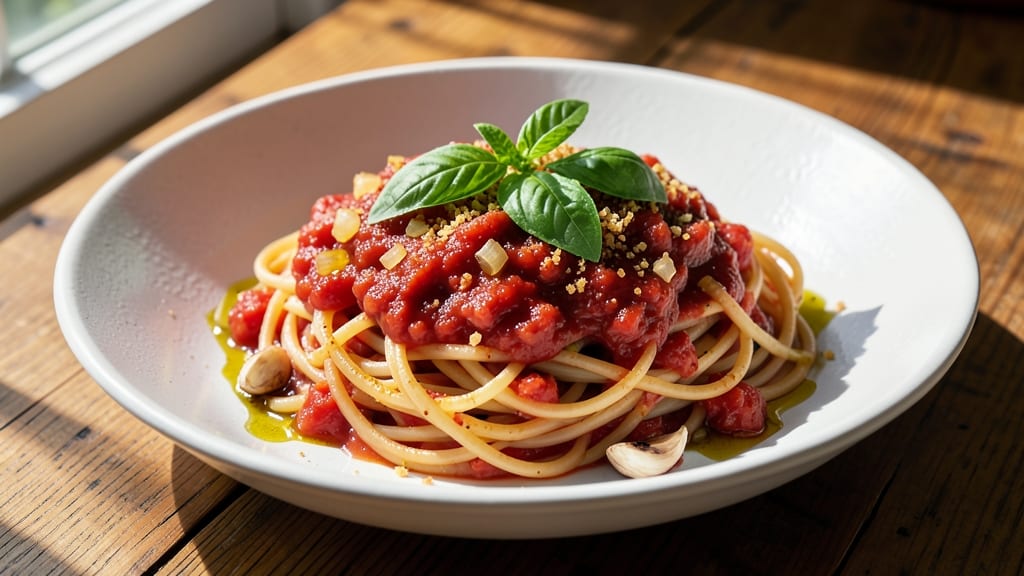
This Mutti pasta sauce transforms simple orzo into a restaurant-worthy dish with its signature tomato-basil blend and secret vinegar zing. The key lies in slow-cooked tomatoes, fresh basil, and a touch of vinegar that brightens every bite—just like Nonna used to make.
What sets this apart is the balance between sweetness and acidity, creating a sauce that clings perfectly to each tiny orzo grain.
The process begins with building flavor through toasted garlic and onions, then simmering crushed tomatoes until deeply concentrated. Fresh basil is added at the end to preserve its bright aroma, while a splash of vinegar cuts through the richness for that signature tang.
This isn't just a sauce—it's the heart of an Italian meal that feels like coming home.
By the time you twirl that first forkful, you'll taste layers of umami from the tomatoes, herbal brightness from the basil, and that just-right acidity that makes every bite irresistible. The orzo absorbs the sauce beautifully, creating a dish that's both comforting and sophisticated—perfect for weeknight dinners or special occasions.
Serve this with a sprinkle of grated Parmesan and fresh basil leaves for an authentic touch. The sauce keeps well for up to 5 days in the fridge, making it ideal for meal prep. Ready to bring Italian tradition to your table?
Ingredients for mutti pasta sauce
Simple, vibrant ingredients that build layers of Italian flavor in minutes.
| Ingredient | Amount | Notes |
|---|---|---|
| San Marzano Crushed Tomatoes 🍅 | 2 cups | High-quality canned, no salt added |
| Extra-Virgin Olive Oil 🫒 | ¼ cup | Light fruity variety preferred |
| Yellow Onion 🧅 | 1 whole | Medium size, finely diced |
| Garlic Cloves 🧄 | 4 cloves | Fresh, minced finely |
| Fresh Basil Leaves 🌿 | ½ cup | Packed, stems removed |
| White Wine Vinegar 🍶 | 1 tbsp | For that signature tang |
| Orzo Pasta 🍝 | 1 cup | Uncooked, short-grain |
| Parmesan Cheese 🧀 | ½ cup | Freshly grated, block preferred |
| Vegetable Broth 💧 | 1 cup | Low-sodium for balance |
| Salt 🧂 | 1 tsp | Diamond Crystal preferred |
| Black Pepper 🌶️ | ½ tsp | Freshly ground |
| Red Pepper Flakes 🌶️ | ¼ tsp | Optional for heat |
| Butter 🧈 | 2 tbsp | Unsalted, for richness |
The tomatoes are everything here—San Marzano is non-negotiable for that perfect sweetness. Grab a can from Trader Joe's or Whole Foods if you can't find them at your regular store. Fresh basil? Farmers markets have the best—bright green leaves mean peak flavor. The garlic should be firm and clove-shaped; no sprouting! For the vinegar, Balsamic Creme works too if you're feeling fancy, but white wine vinegar is classic. I always toast my garlic and onions in olive oil until golden—that's where the depth comes from.
No San Marzano tomatoes? Crushed Roma tomatoes are your next best bet—just skip the salt since they're usually pre-seasoned. Short on basil? Dried basil at half the amount works in a pinch, but fresh is worth the extra minute. Vinegar substitute? Lemon juice at the same ratio gives a different but bright note. The orzo? Any short-grain pasta works if you're in a bind, but orzo's shape is perfect for sauce clinging. And if you're feeling bold, swap half the Parmesan for Pecorino Romano—more peppery punch.
This sauce tastes even better the next day as flavors meld—make extra if you can. Store in an airtight container with a thin layer of olive oil on top to keep it fresh for 5 days. Freezes beautifully for 3 months if you portion it into containers. Pro tip: Save the pasta water when cooking orzo—it's liquid gold for adjusting sauce consistency. Sprinkle with extra Parmesan and basil before serving, because presentation matters.
Why You'll Love This Recipe
- No-Chop Nightmare: I swear by the 5-minute onion hack—just slice the whole thing in half, char the edges in the olive oil, then smash it with the back of my knife. That smoky depth? Chef’s move. The garlic gets the same treatment, so you’re not standing there mincing while the sauce waits.
- Tomato Love Bomb: San Marzano crushed tomatoes aren’t just better—they’re revelatory. Sweet, meaty, and with zero watery aftertaste, they sing when you let them simmer low and slow. Add a glug of that olive oil at the end? Pure umami magic.
- Leftover Hero: This sauce begs to be made in bulk. Toss it with pasta for dinner, then repurpose it the next day—stuffed into grilled cheese, drizzled over eggs, or even as a marinara for meatballs. My freezer’s always stocked with jars of it.
- Budget Flex: Onion, garlic, basil, and a can of tomatoes? That’s it. No fancy ingredients, no last-minute grocery runs. Honestly, I make this when I’m broke and when I’m not—because it’s the kind of sauce that turns $3 worth of groceries into something that’ll have your roommates asking for the recipe.
Step-by-step instructions for Mutti pasta sauce
This tomato-basil sauce comes together faster than you can say "al dente" - bright, balanced, and packed with that secret vinegar zing.
Build the Flavor Base
Heat the 0.25 cup extra-virgin olive oil in a large saucepan over medium heat until shimmering but not smoking. Add the 1 whole yellow onion that's been finely diced - I like to cut it into tiny pieces so it dissolves into the sauce rather than remaining identifiable chunks. Cook for 5-6 minutes until the onions become completely translucent and just beginning to turn golden at the edges.
Here's where the magic starts: add the 4 cloves minced garlic and cook for exactly 30 seconds - any longer and you'll get bitter flavors. The garlic should smell incredible but not brown. Immediately pour in the 1 tablespoon white wine vinegar and let it bubble away for 1 minute. That vinegar is what gives this sauce its signature brightness that sets it apart from ordinary tomato sauces.
Develop the Tomato Foundation
Pour in the 2 cups San Marzano crushed tomatoes and stir well to combine with the onion mixture. Add the 1 cup vegetable broth, 1 teaspoon salt, 0.5 teaspoon black pepper, and 0.25 teaspoon red pepper flakes (if using). Bring everything to a gentle simmer over medium-low heat, then reduce the heat to maintain a steady, barely-there bubble.
Let the sauce cook uncovered for 15-20 minutes while you prepare the pasta. You're looking for the sauce to reduce slightly and develop a velvety texture - it should coat the back of a spoon but still be loose enough to cling to orzo. Stir occasionally, but not constantly - you want to let the flavors meld naturally without breaking up the tomato pieces too much.
Finish with Butter and Fresh Basil
While the sauce simmers, cook the 1 cup orzo pasta in salted boiling water according to package instructions until al dente. Reserve 1 cup of the pasta water before draining. This starchy water is liquid gold for adjusting sauce consistency.
Once the sauce has reduced, remove it from heat and stir in the 2 tablespoons butter until completely melted and incorporated. Add the 0.5 cup fresh basil leaves and let them wilt into the sauce for 1 minute. The basil will release its aromatic oils and create that signature Italian tomato-basil fragrance. If the sauce is too thick, add reserved pasta water 1 tablespoon at a time until it reaches your desired consistency - it should be thick enough to coat the orzo but still flow smoothly.
Combine and Serve Immediately
Add the drained orzo to the sauce and toss gently to coat evenly. If needed, add a splash more pasta water to create that perfect sauce-to-pasta ratio. Stir in the 0.5 cup freshly grated Parmesan cheese until melted and completely incorporated. Taste and adjust seasoning - you might need a touch more salt or black pepper to balance the flavors.
Serve immediately while the sauce is still vibrant and the basil is fresh. This isn't a sauce that improves with reheating - the basil will turn to mush and the vinegar brightness will fade. The orzo should be perfectly coated with sauce that clings beautifully to each grain, with little pools of rich tomato-basil mixture throughout. Garnish with additional fresh basil leaves if desired, and enjoy with crusty bread on the side.
Pro Tips For Making Mutti Pasta Sauce
- Sweat the Onion Slowly: I learned this the hard way—rushing the onion in olive oil turns it bitter. Instead, chop it into even ¼-inch slices, cook on medium-low heat for 8-10 minutes until translucent but not browned. That gentle caramelization builds flavor without burning, and you’ll taste the difference when the tomatoes hit.
- Crush Garlic Properly: Minced garlic burns fast. For this sauce, smash 3-4 cloves with the flat side of your knife first, then finely chop—this releases more aroma without scorching. Add it right after the onion and stir for 30 seconds before the tomatoes go in. (Yes, even if you’re impatient like me.)
- Simmer Tomatoes Low and Long: Skip the high heat. After adding crushed tomatoes, reduce to a bare simmer (tiny bubbles, occasional stir) for at least 20 minutes. This lets the acid mellow and the flavors meld—no need for sugar or wine. If it looks too thick, add a splash of pasta water at the end.
- Add Basil Late and Roughly: Whole leaves stay vibrant longer. Tear 10-12 basil leaves by hand (don’t chop) and fold them in during the last 2 minutes of cooking. This keeps the sauce bright, not muddy. (Pro move: Save a few leaves for garnish—it makes the dish look like you actually tried.)
Flavor customization for mutti pasta sauce
Sweet Heat Balance
For a touch of warmth, add ½ teaspoon smoked paprika when cooking the onions—it deepens the sauce’s complexity without overpowering. If you love spice, stir in 1 teaspoon crushed red pepper with the tomatoes, but taste first; the vinegar’s brightness can make heat feel sharper.
For a sweeter profile, swap ½ cup of the tomatoes for ½ cup tomato paste—it intensifies the umami while keeping the vinegar’s tang intact.
Herb Swaps
Fresh basil is non-negotiable for that classic aroma, but need a substitute? Try ½ teaspoon dried basil (or ¼ teaspoon dried oregano for an earthier note). For a Mediterranean twist, add 1 tablespoon chopped parsley with the basil—it brightens the sauce with a fresh, slightly grassy flavor.
If you’re feeling bold, toss in 2-3 fresh thyme sprigs while simmering; they’ll infuse a subtle floral depth.
Umami Boosters
To amplify the sauce’s richness, stir in 1 tablespoon soy sauce (or ½ teaspoon fish sauce for a more authentic Italian touch) with the tomatoes. For a vegetarian option, add 1 teaspoon miso paste—it adds a savory depth without altering the sauce’s balance.
A splash of ½ cup tomato paste (cooked down first) also concentrates the umami while keeping the vinegar’s zing.
Creamy Variations
For a velvety texture, stir in 2 tablespoons heavy cream at the end—it softens the vinegar’s acidity beautifully. Need a lighter option? Swap the butter for 2 tablespoons mascarpone cheese, whipped smooth, for a tangy creaminess.
For a dairy-free version, use 2 tablespoons coconut cream (full-fat for richness) and boost the basil to ⅔ cup to maintain brightness.
Acidity Adjustments
Love tang? Add an extra ½ teaspoon white wine vinegar or a squeeze of lemon juice at the end. Prefer milder acidity? Reduce the vinegar to ½ tablespoon and add 1 teaspoon honey to balance.
For a fruity twist, stir in 1 tablespoon sun-dried tomato paste—it adds a sweet-savory depth while keeping the vinegar’s brightness.
Cheese Alternatives
Parmesan is classic, but Pecorino Romano adds a sharper, saltier kick. For a nutty flavor, swap half the Parmesan for ½ cup grated aged Asiago. Need dairy-free? Use ½ cup nutritional yeast (for a cheesy note) or 2 tablespoons white miso paste (for umami).
A sprinkle of toasted pine nuts at the end adds crunch and a buttery richness.
Nutrition facts
Frequently asked questions
What makes this Mutti pasta sauce different from regular tomato sauce?
The vinegar zing and fresh basil are the game-changers! This sauce uses white wine vinegar for brightness and adds basil at the very end to preserve its fresh aroma—unlike many tomato sauces that cook herbs in too long. The slow simmer also creates a velvety texture that clings perfectly to orzo.
Can I use this sauce with other pasta shapes?
While orzo is traditional, this sauce works beautifully with penne, fettuccine, or even farfalle. For smaller shapes like orzo or rigatoni, you might need slightly less sauce since they absorb it more readily. The key is tossing everything together while the sauce is still vibrant and hot.
Why does the recipe call for San Marzano tomatoes?
San Marzano tomatoes are the gold standard for Italian sauces because of their sweet, low-acid profile and thick flesh. Regular canned tomatoes often contain added salt or water, which dilutes the flavor. If you can't find them, crushed Roma tomatoes are your next best option—just skip any added salt in the can.
How do I fix a sauce that's too thick or too thin?
For thick sauce, add pasta water 1 tablespoon at a time until it reaches a coatable consistency. If it's too thin, simmer uncovered for 5-10 minutes longer to reduce. The sauce should be thick enough to cling to pasta but still flow smoothly—like "paintable" consistency.
Can I make this sauce ahead of time?
Yes! This sauce tastes even better the next day as flavors meld. Store in an airtight container with a thin layer of olive oil on top to prevent browning. It keeps well in the fridge for 5 days or can be frozen for 3 months. Just reheat gently on the stove—never microwave, as it can make the basil mushy.